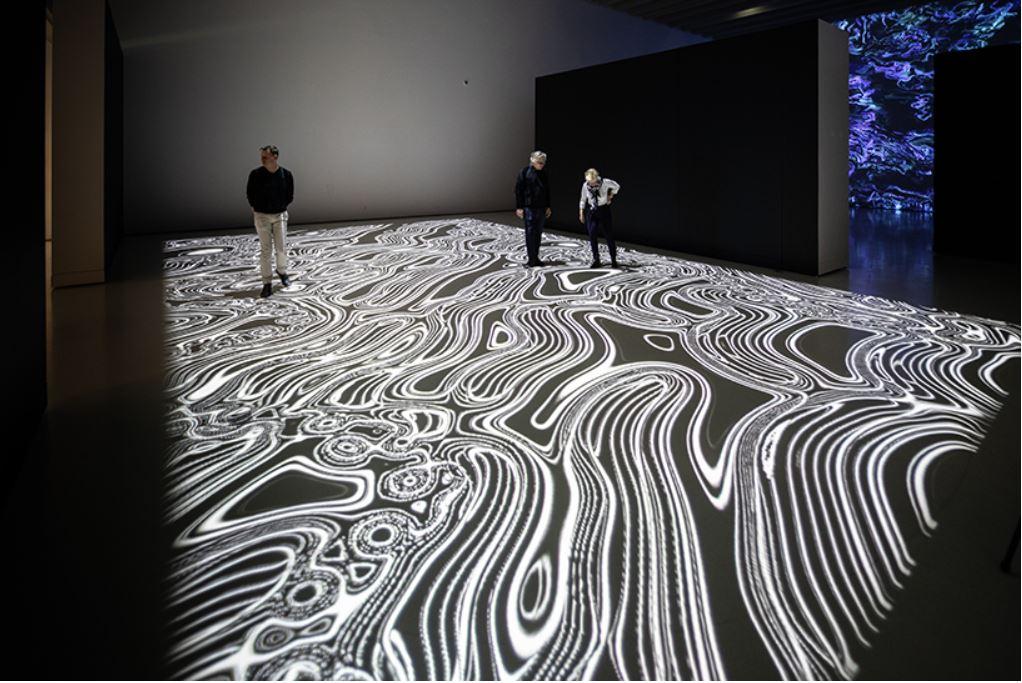
What are some notable examples of interactive digital art installations?
In the rapidly evolving landscape of modern art and entertainment, interactive digital installations have emerged as a thrilling frontier. Combining technology and artistry, these installations transform passive viewers into active participants, igniting a sense of wonder, joy, and creativity. In this article, we’ll explore what interactive digital installations are, their benefits, and how they are reshaping the art and entertainment industries.
Understanding Interactive Digital Installations
Interactive digital installations are immersive experiences that harness technology to engage audiences in unique ways. Unlike traditional art forms, these installations invite participation, enabling viewers to interact with art through touch, movement, or even emotional responses.
Key Features of Interactive Digital Installations
- Immersive Experiences: They create an surroundings where participants can feel fully enveloped in the artwork.
- Audience Engagement: Participants become co-creators, making choices that influence the outcome of their experience.
- Use of Technology: Ranging from augmented reality (AR) to virtual reality (VR), these installations utilize cutting-edge tech to enhance the viewer’s experience.
- Real-time Feedback: Many installations react to user input, generating an evolving artwork that changes based on participation.
The Benefits of interactive Digital Installations
Integrating interactive elements into art and entertainment unlocks various benefits, both for creators and audiences. Here are some key advantages:
1. Enhanced Engagement
Interactive installations encourage deeper emotional and cognitive engagement,as participants actively contribute to the artwork’s narrative.
2.Fostering Collaboration
These installations provide a platform for collaboration among visitors. Whether through shared experiences or joint creation,they foster community bonding.
3. Expanding Accessibility
Interactive digital installations can make art more accessible to diverse audiences, including individuals with disabilities, enabling them to immerse themselves in unique ways.
4. Inspiring creativity
by promoting active participation, these installations empower individuals to express their creativity, leading to new ideas and artistic exploration.
Showcasing Inspiring case Studies
To illustrate the transformative power of interactive digital installations, let’s explore some remarkable case studies.
case Study 1: TeamLab Borderless
located in tokyo, TeamLab Borderless is a museum of digital art that creates a world where artworks move out of their rooms and communicate with each other. Visitors can touch the art to change the visuals, encouraging a playful interaction that fosters creativity.
Case Study 2: The Obliteration Room by Yayoi Kusama
This interactive art installation invites visitors to place colorful dot stickers in a white room filled with furniture and objects. Over time, the room transforms into a vibrant explosion of color, embodying the collaborative spirit of artistic expression.
First-Hand Experience: Immersing in Interactive Installations
Attending interactive digital installations can profoundly impact your viewpoint on art and engagement. Here are a few tips to enhance your experience:
Practical Tips for Exploring Interactive installations
- Be Open-Minded: Embrace the unknown and be willing to explore different ways of interacting with art.
- Participate Actively: Don’t hesitate to engage actively with the installations; this creates a deeper connection.
- Share the Experience: Go with friends or family to enjoy the social aspect of these installations.
- Document Your Journey: Take photos or videos of your interactions to capture your unique experience.
Challenges and considerations
While interactive digital installations offer exciting opportunities, they also present unique challenges:
1.Technical Malfunctions
As much as technology enhances interactivity, it can also lead to frustrations when malfunctioning. ensuring proper maintenance is essential.
2. Accessibility Issues
Designing installations that are universally accessible can be complicated, but it is crucial for inclusive experiences.
3.Maintaining Artistic Integrity
Balancing audience interaction with the artist’s vision can be a fine line to walk, and it requires skillful execution from creators.
A Glimpse into the Future of Interactive Digital Installations
The future of interactive digital installations looks promising, with advances in artificial intelligence and machine learning paving the way for even more dynamic experiences. Innovations such as personalized content generation and integration with social media platforms could redefine how art is created and experienced.
Conclusion
interactive digital installations represent a revolutionary shift in how we engage with art and entertainment. They invite audiences to step beyond passive observation, encouraging creativity, collaboration, and a deeper connection to artistic expression. as technology evolves, so too will the possibilities for interactive experiences, allowing us to unleash our creativity and imagine a vibrant future for art and entertainment.So the next time you encounter an interactive installation, dive in, explore, and let the experience ignite your creative spirit!
| Feature | Description |
|---|---|
| Immersive Experiences | Engages multiple senses for a deeper connection. |
| Audience Engagement | Transforms observers into participants. |
| Technological Integration | Utilizes AR, VR, and AI to enhance experiences. |
| Real-Time Interaction | Art adapts based on user input and behavior. |
Related Posts
-

- How can I choose the right digital illustration tools for my art style? If…
-

<img class="vimage_class" src="https://sirgo.com/wp-content/uploads/2025/03/om-002.jpg" alt="contemporary art installations">- How do contemporary art installations reflect societal issues? Contemporary…
-

- how do contemporary art installations differ from customary art forms? In recent years, contemporary…