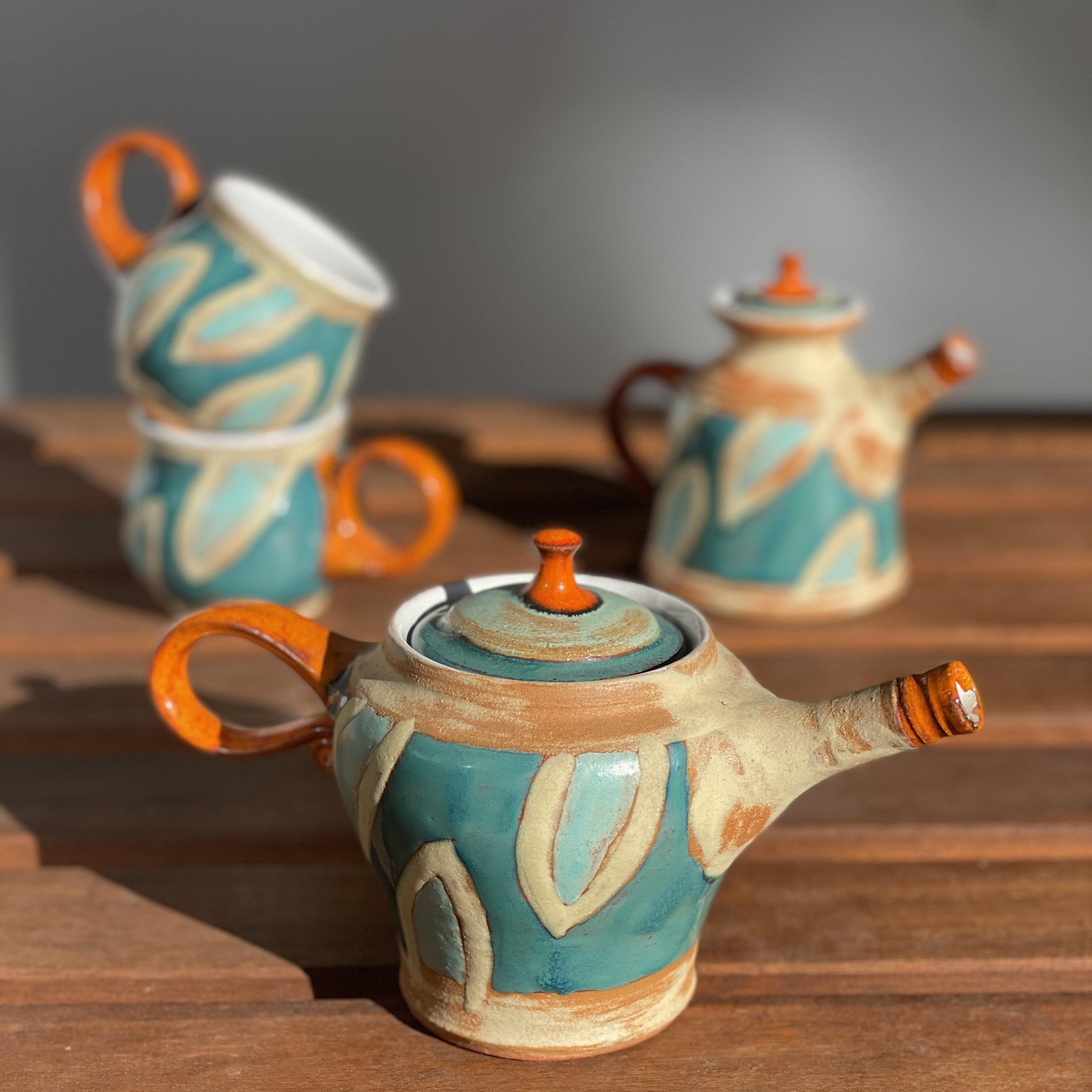
– What are the different techniques used in handcrafted ceramic pottery?
handcrafted ceramic pottery is not just an art form; it’s a passion that connects the creator to the clay and the collector to unique pieces that tell a story. In this guide, we will delve into the various styles, techniques, and practical tips that will enhance your understanding and appreciation of this splendid craft. Whether you’re a seasoned collector or a curious beginner, there’s something valuable here for everyone.
The Allure of Handcrafted Ceramic Pottery
Every piece of handcrafted pottery is unique, making it a one-of-a-kind addition to any home or collection. The intricate processes involved in its creation give each item its distinct character, allowing you to enjoy pieces that resonate with your personal style.
1. Unique Styles of Handcrafted Ceramic Pottery
- Stoneware: Known for its strength and durability, stoneware is often used for functional items like dishes and cookware.
- Earthenware: Typically more porous and less refined, earthenware is celebrated for its rustic aesthetic and vibrant colors.
- Porcelain: This delicate, high-fired clay is revered for its beauty and translucency. It’s often used for fine china and decorative objects.
- Raku: an ancient Japanese technique, Raku pottery is characterized by its unique glazing and firing process, producing unpredictable yet stunning results.
- Hand-Built Pottery: A technique that involves shaping clay by hand rather than on a wheel, frequently enough resulting in more organic forms.
- Wheel-Thrown Pottery: Created on a potter’s wheel, this style allows for symmetry and precision in design.
2. Techniques for Creating Stunning Pottery
Mastering the art of pottery involves several techniques that can greatly influence the final look of your work.Here are some of the most important methods:
2.1 Clay Preparation
- Wedging: Kneading the clay to remove air bubbles and ensure a consistent texture.
- Centering: Skillfully positioning the clay on the wheel for an even shape.
2.2 Firing Process
Firing is essential for transforming wet clay into durable pottery. there are different firing methods:
- Bisque Firing: The first firing, which hardens the clay but does not make it waterproof.
- Glaze Firing: The second firing, which melts the glaze and gives the pottery its final finish.
2.3 Glazing Techniques
Glazing enhances the appearance of pottery and adds a protective layer.Some popular glazing techniques include:
- Dip Glazing: The pottery is dipped into glaze for an even coating.
- Spray Glazing: A more artistic approach where glaze is sprayed on the piece, perfect for intricate designs.
- Brushing: Applying glaze with a brush for precise request in certain areas.
3. Benefits of Collecting Handcrafted Ceramic Pottery
Beyond their aesthetic appeal, handcrafted ceramic pottery offers numerous benefits:
- Environmental Impact: Handmade pottery frequently enough uses natural materials and sustainable practices.
- Supporting artists: Purchasing handcrafted items supports local artisans and preserves conventional crafts.
- Unique Home decor: Each piece adds individuality to your home, making spaces feel warm and inviting.
4. Practical Tips for Building Your Pottery Collection
4.1 Understanding Your Style
Before starting your collection,take the time to explore various pottery styles. Consider what resonates with you the most, whether it’s rustic, modern, or a mix of both.
4.2 attend workshops and local Markets
Engaging directly with potters at workshops and markets allows you to appreciate their craftsmanship and discover unique finds.
4.3 Care and Maintenance
| Material | care Instructions | Common Use |
|---|---|---|
| Stoneware | Dishwasher safe; avoid sudden temperature changes | Dinnerware, cookware |
| Earthenware | Hand wash; avoid soaking | Decorative items, pots |
| Porcelain | Hand wash preferred; microwave safe | Fine china, tea sets |
| Raku | Wipe clean with a damp cloth; avoid water | Art pieces, decorative |
5. case Studies: Pottery in Different Cultures
Different cultures have used pottery as a form of expression. Here are a few notable examples:
- japanese Raku: This traditional Japanese pottery type embraces imperfection and natural aesthetics.
- Mexican Talavera: Brightly colored and intricately designed, Talavera pottery showcases cultural motifs and history.
- Italian Majolica: This earthenware technique is renowned for its colorful glazes and detailed embellishments.
6. First-Hand Experience: my Journey into Pottery
When I first embarked on my pottery journey, I was unsure of what to expect.Attending my first pottery class opened my eyes to the tactile experience of molding clay. I was instantly hooked! I started collecting pieces that resonated with me, and as my knowledge grew, so did my appreciation for various techniques and styles.
Each piece in my collection tells a story, reminding me of the artisans behind them and the joy of creativity that pottery embodies.
Conclusion
Exploring the art of handcrafted ceramic pottery is a journey filled with creativity, beauty, and authenticity. Whether you are drawn to the unique styles or the intricate techniques, there is a wealth of knowledge to uncover. As you begin or expand your collection, remember each piece is not just a decorative item but a representation of art, culture, and tradition.embrace your love for pottery and let it bring joy,character,and inspiration into your life!
Related Posts
-

- How can I care for and maintain my ceramic pottery pieces? delight in Diversity:…
-
How can I get started with making my own ceramic pottery at home? Handcrafted ceramic…
-

- What are the benefits of using handcrafted ceramic pottery in home décor? Handcrafted ceramic…