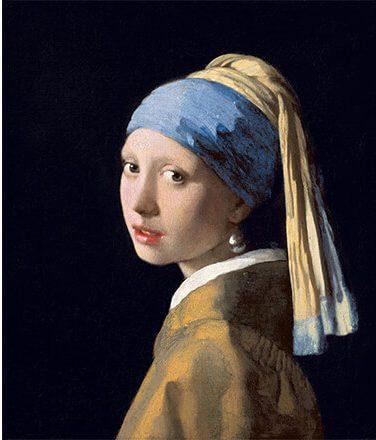
 traditional oil painting“>
– What are the essential materials needed for traditional oil painting techniques?
Oil painting is a timeless art form that continues to fascinate artists and art lovers alike. the medium is celebrated for its vibrant colors, rich textures, and remarkable versatility. Whether you’re a beginner or an experienced artist, mastering traditional oil painting techniques can open up new avenues for creative expression. This complete guide will take you through the basics of oil painting, highlighted techniques, practical tips, and the immense joy it brings to the artistic journey.
Why choose Oil Painting?
Traditional oil painting offers numerous benefits that make it appealing to artists:
- Vibrant Colors: Oil paints can achieve deep, vivid hues, allowing for stunning visual impact.
- Blendability: The slow drying time of oil paints allows for seamless blending and layering techniques.
- Textural Variety: Artists can create various textures, from smooth to impasto styles.
- Longevity: Oil paintings are known for thier durability and the ability to retain color over time.
Essential Tools for Traditional Oil Painting
before diving into oil painting techniques, it’s vital to have the right tools. Here’s a swift checklist of essentials:
| Tool | Description |
|---|---|
| Oil Paints | Choose quality tubes or pans in a variety of colors. |
| Brushes | Brass or synthetic brushes in various sizes and shapes. |
| Palette | A flat surface to mix your paint, preferably wood or glass. |
| Canvas | pre-stretched cotton or linen canvas mounted on a frame. |
| Solvent | Materials like turpentine or odorless mineral spirits for thinning paints. |
| Mediums | Linseed oil or walnut oil to alter the flow and drying time of the paint. |
Fundamental Techniques in oil Painting
As you explore oil painting, several traditional techniques can enhance your skill set:
1. Glazing
Glazing involves layering thin, translucent layers of paint on top of dried layers. This technique adds depth and complexity to colors.
2. Scumbling
A technique where a dry brush is used to apply a thin layer of lighter paint over a darker, dried layer, creating an interesting textural effect.
3. Impasto
Impasto involves applying paint thickly to the canvas, creating a three-dimensional texture and dynamic visual effects.
4. Wet-on-wet
Painting wet paint onto wet paint allows for seamless blending,making it ideal for landscapes and soft transitions.
5. Underpainting
This preliminary layer serves as a foundation, helping to establish tone, form, and color composition.
Practical Tips for Aspiring Oil Painters
here are some valuable tips to set you on the right path:
- Start small: Begin with mini canvases to practice techniques without feeling overwhelmed.
- Don’t rush: Allow layers to dry fully between applications for the best results.
- Experiment: Use various brushes and application techniques to find your style.
- Clean your brushes: Maintain your tools to keep your colors pure.
- Learn from others: Join painting workshops or online classes to gain insights and feedback.
First-Hand Experiences: The Joy of Oil Painting
Many artists share that oil painting transports them to a place of mindfulness and joy. Local art community member Jane Doe says:
“Every brushstroke is a form of meditation for me. It’s like the canvas speaks back, and it’s incredibly rewarding to see a piece evolve over time.”
Case Study: Your Own artistic Journey
Many beginner artists report shifts in their outlook after taking on oil painting. Consider this case study:
- Artist: Mark, a digital artist turned traditional painter.
- challenge: Transitioning from digital to a physical medium.
- Solution: Started with an oil painting class focusing on glazing and wet-on-wet techniques.
- Outcome: Mark found joy in the tactile nature of oil paints and is now exploring landscapes.
Conclusion: Embracing the Joy of Traditional Oil painting Techniques
Mastering traditional oil painting techniques invites you into a world of creativity, mindfulness, and artistic expression. As you build your skills and confidence in using oil paints, you not only create beautiful works of art but also discover the joy in every brushstroke. Whether you’re painting for pleasure, therapy, or professional ambition, oil painting can enrich your life. So grab your brushes, lay out your palette, and let the magic unfold on your canvas!
Related Posts
-

- What materials do I need for traditional oil painting? Oil painting is a timeless…
-

- What materials do I need to start traditional oil painting? Have you ever felt…
-

How can I achieve vibrant colors in my fresco artworks? Fresco painting, a timeless art…