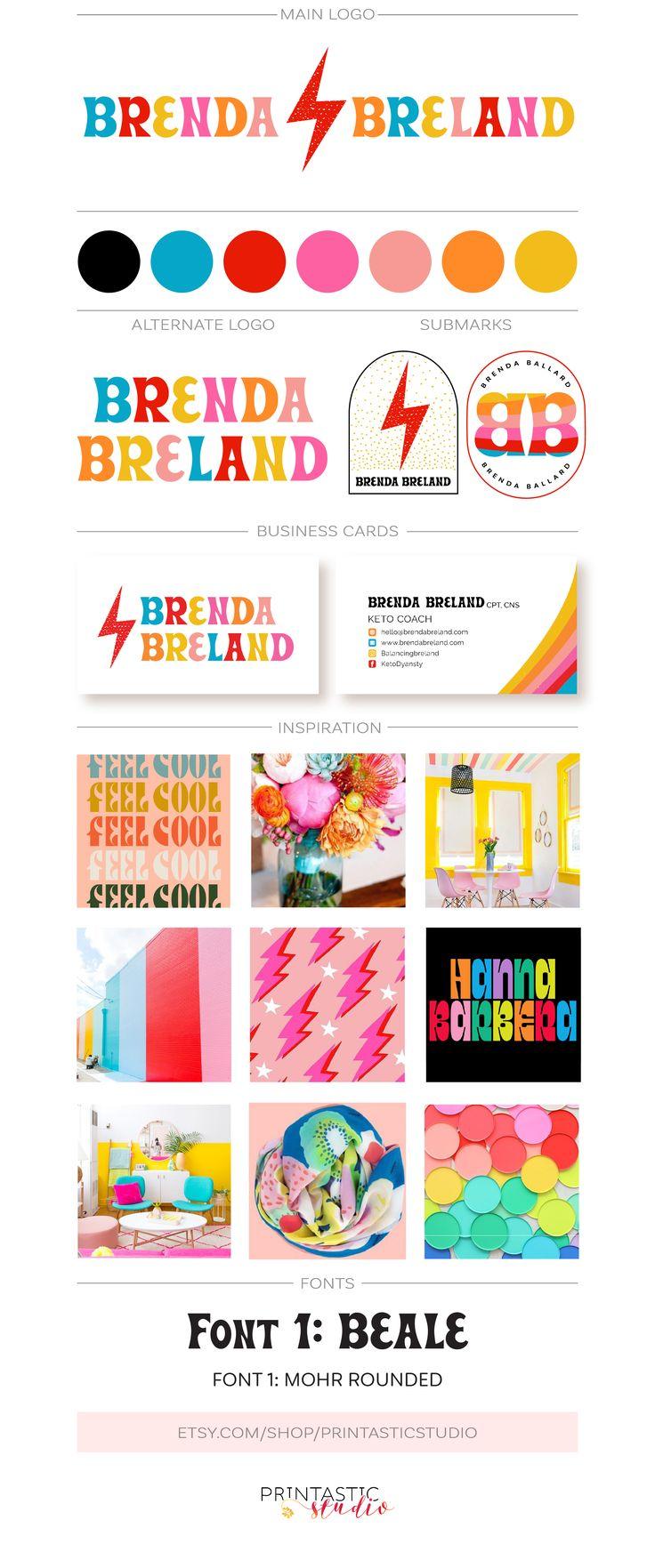
– What elements should be included in a marketing layout to make it stand out?
In todayS digital-first world, creating visually appealing marketing layouts is key to standing out in the crowded marketplace. Companies are constantly vying for consumer attention, and a well-designed layout can mean the difference between establishing a lasting impression and being lost in the noise. this article explores 10 visually appealing marketing layouts that not only capture attention but also drive engagement with your audience.
Benefits of Using visually Appealing Marketing Layouts
- Improved User Experience: A well-structured layout enhances navigation and keeps visitors engaged.
- Increased Brand recognition: Unique and consistent visuals make your brand memorable.
- Better Conversion Rates: Visually appealing designs can lead to higher conversions by drawing attention where it matters most.
- Enhanced Emotional Connection: Stunning visuals can evoke emotions,fostering a stronger bond with your audience.
1. The Bold Typography Layout
Using bold typography as the focal point of your layout can instantly grab attention. Large, readable fonts with contrasting colors can bring key messages to life. This layout is effective for everything from website headers to social media graphics. Brands like Airbnb effectively employ this strategy to convey their message quickly.
2. The Grid Layout
A grid layout organizes content systematically, making it easy for users to navigate through various elements. This layout is particularly effective for showcasing products or services. Websites like Pinterest thrive on grid layouts, enabling a clean and structured presentation of visuals.
3.The Asymmetrical Layout
For brands looking to stand out, an asymmetrical layout breaks the rules of traditional design. This technique creates dynamism and encourages viewers to explore. Apple often utilizes this approach, making each product page a unique visual experience.
4. The Color Block Layout
Vivid color blocks can divide sections of a webpage or graphic, guiding the viewer’s eye to important data. This layout captures attention and enhances readability. Brands such as Dropbox have successfully used color blocks to differentiate services.
5. The Minimalist Layout
Less is often more when it comes to minimalist design. A clean, simple layout removes distractions and focuses on the content. As an example, Google employs minimalist layouts that make their service offerings instantly clear, which contributes to their user-friendliness.
6. The Storytelling Layout
A storytelling layout can guide the viewer through a narrative. Incorporate visuals and text cohesively to lead the audience on a journey. Nike integrates storytelling into their marketing campaigns, enhancing emotional connections with consumers.
7. The Carousel Layout
Carousels allow multiple pieces of content or images to be viewed in one area. this layout can effectively showcase products or highlight testimonials. Social media platforms like Instagram utilize carousels to promote user engagement and keep feeds lively.
8. The Interactive Layout
Interactive elements,such as polls,quizzes,or clickable graphics,drive deep engagement. This layout invites users to participate rather than passively consume information. Companies such as Buzzfeed utilize interactive layouts to boost user interaction.
9. The Infographic Layout
Infographics combine data and visuals to tell a compelling story. This layout simplifies complex information, making it easier to digest. Brands like HubSpot frequently use infographics to convey marketing insights effectively.
10. The Full-Width Image layout
A full-width image layout takes advantage of large visuals as a backdrop for content. This technique can create a powerful emotional impact. Brands like National Geographic use full-width images to captivate audiences with stunning visuals related to their stories.
Practical Tips for Implementing Engaging Layouts
- Know your audience: Understand what resonates with your target demographic.
- Test different designs: Use A/B testing to determine which layout performs best.
- Maintain brand consistency: Ensure that your layouts align with your branding elements such as colors and fonts.
- Optimize for mobile: Consider mobile users by ensuring all layouts are responsive and accessible.
Case Studies: brands That Got It Right
| Brand | Layout Type | Outcome |
|---|---|---|
| Airbnb | Bold Typography | Increased visitor engagement and reduced bounce rate. |
| Grid Layout | Enhanced user navigation, leading to increased sign-ups. | |
| Nike | Storytelling | Strengthened emotional connections with customers, boosting sales. |
Conclusion
Designing visually appealing marketing layouts is essential for brands looking to capture attention and drive engagement. From bold typography to interactive layouts, the options are endless. By leveraging these layouts and tailoring them to your specific audience, you can enhance your brand’s identity and create lasting connections with consumers. Don’t be afraid to experiment and innovate-your unique approach could be what sets you apart in the marketplace!
Related Posts
-

- How can innovative ad layouts enhance customer engagement? In today's competitive digital landscape, simply…
-

- How can effective marketing layouts increase conversion rates? In today's digital landscape, capturing attention…
-

- What are the latestmarketinglayouttrendsfor2023thatcanelevatemybrand? elevate Your Brand: Explore the Exciting World of trendy Marketing…