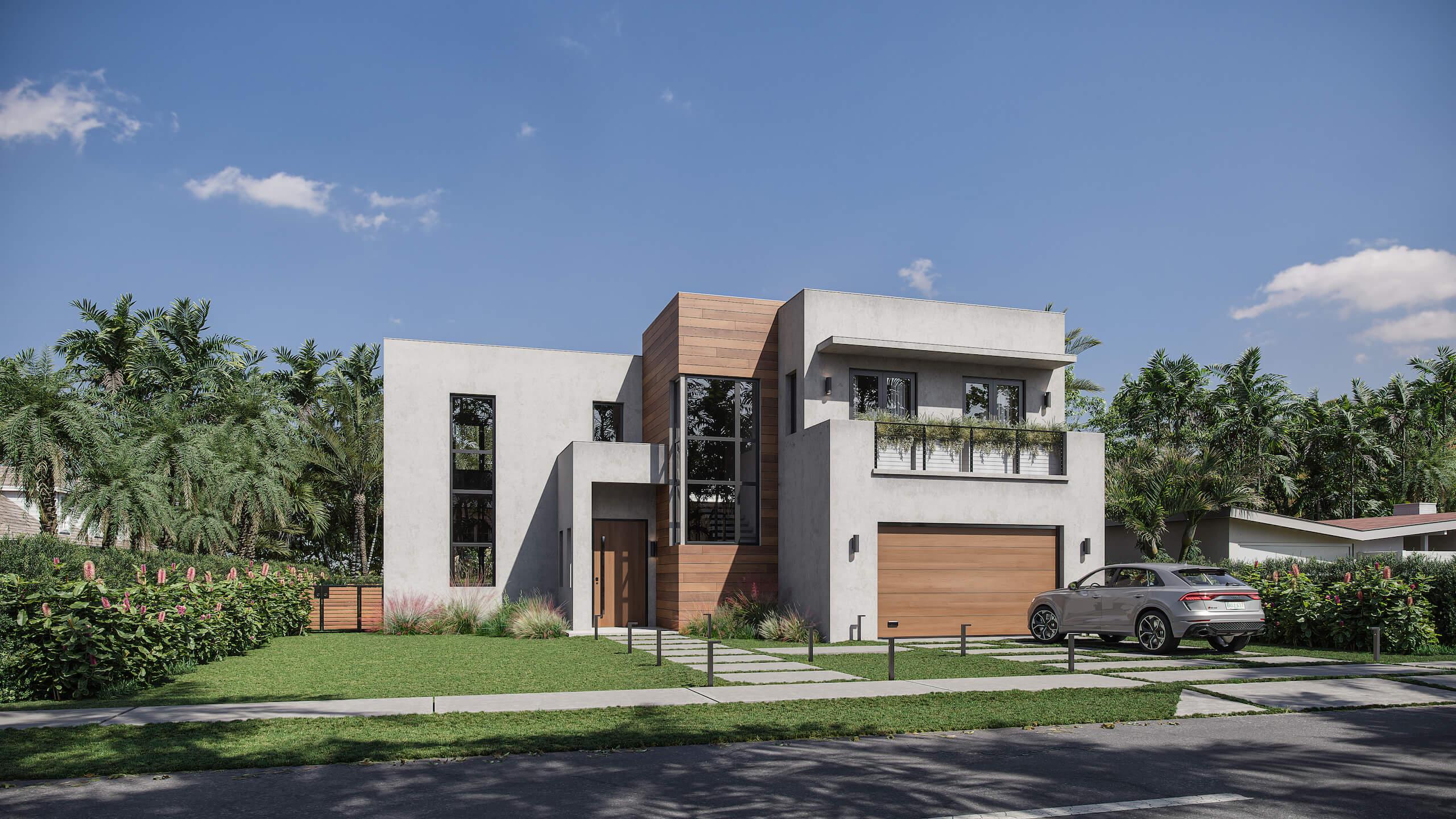
– What is architectural 3D rendering and how does it aid in the design process?
Introduction
In the world of architecture and design, visualization is key.The leap from a simple concept to a tangible reality can sometimes feel daunting. Fortunately,with the revolutionary advancements in technology,architectural 3D rendering has emerged as a vital tool that turns visions into stunning realities. This extensive guide delves into the captivating world of architectural 3D rendering, exploring its benefits, applications, and providing practical tips and insights.
What is Architectural 3D Rendering?
Architectural 3D rendering is the process of creating two-dimensional images or animations showing the attributes of a proposed architectural design. It involves the use of specialized software to create highly detailed, realistic representations of buildings, interiors, and landscapes. These visualizations are invaluable in conveying the essence of a design before the actual construction begins.
Benefits of Architectural 3D Rendering
Utilizing 3D rendering for architectural projects offers several notable advantages:
- Enhanced Visualization: Allows clients to visualize the final product in great detail before construction, ensuring accurate expectations.
- effective Communication: Facilitates clear communication between architects, clients, and builders, reducing misunderstandings and revisions.
- Marketing opportunities: High-quality renders are a powerful tool for marketing properties, helping to attract potential buyers even before the project is completed.
- Time and Cost Efficiency: identifying design flaws or required changes in the visualization stage can save time and money during the construction phase.
How Architectural 3D Rendering Works
The process of creating architectural 3D renderings involves several key steps:
- Conceptualization: Gathering initial ideas, sketches, and blueprints.
- Modeling: using software like SketchUp, Blender, or 3ds Max to construct a 3D model of the design.
- Texturing: Adding materials, colors, and textures to simulate real-world finishes.
- Lighting and environment: Incorporating natural and artificial lighting to enhance realism, as well as creating the surrounding environment.
- Rendering: Finalizing the image through rendering, which transforms the 3D model into a polished image.
- Post-processing: Editing the rendered image in programs like Photoshop for final touches.
Case Studies: Success Stories with Architectural 3D Rendering
Case Study 1: Residential Advancement
A leading architectural firm utilized 3D rendering to showcase a high-end residential development. The stunning visuals not only gained positive client feedback but also attracted potential buyers, resulting in 40% pre-sales before construction.
Case Study 2: Commercial Space
A startup aimed to secure funding for their innovative office space. by presenting detailed 3D renderings, they effectively communicated their vision to investors, ultimately raising the required capital within months.
First-Hand Experience: A DesignerS Outlook
As an architecture designer,I experienced a transformational moment when I first integrated 3D rendering into my projects. The ability to bring designs to life allowed my clients to connect emotionally with their future spaces.Countless times, clients remarked how the visualizations made the process less daunting, reducing their anxiety about the unknown. This emotional connection proved pivotal, creating not just satisfied clients but enthusiastic proponents of my work.
Tips for Successful Architectural 3D Rendering
To make the most of architectural 3D rendering, consider the following practical tips:
- Invest in quality Software: Utilize reliable software that suits your style and needs. Options like Revit, ArchiCAD, and Lumion offer flexible features for diverse projects.
- Prioritize Detail: Attention to detail in textures, fixtures, lighting, and colors can drastically enhance the realism of your renders.
- Stay Updated: Continuously upgrade your skills and software knowledge to leverage the latest rendering techniques and technology.
- Create a Diverse Portfolio: Showcase various styles and project types in your portfolio to attract a wide range of clients.
Conclusion
Architectural 3D rendering is more than just a tool; it’s a bridge that connects inventiveness with reality. Whether you are an architect, designer, or homeowner, the impact of high-quality visualizations on the construction process is undeniable. The joy of seeing your visions materialized into realistic, engaging 3D renderings is an experience worth embracing. As technology continues to evolve, the possibilities for architectural rendering will only expand, allowing dreams to transform into reality like never before.
Related Posts
-
What is architectural 3D rendering and how does it work? in an increasingly visual world,…
-

How does preserving historical buildings contribute to cultural identity? Architectural conservation is more than just…
-

JoyJoy is something that we all strive for. It's something that we know we have…