– How can I choose the best furniture arrangement for my space?
Transform Your Space: 10 Effective Layout Techniques to Elevate Any room
Transforming the layout of your room can significantly impact its ambiance and functionality.Whether you’re looking to maximize space, improve traffic flow, or just refresh a tired look, using the right layout techniques can make a world of difference. In this article, we’ll explore 10 effective layout techniques to help you enhance any room in your home. Whether you’re an experienced designer or a novice, these tips will provide you with valuable insight to elevate your space.
1. Understanding the Purpose of the Room
Before diving into layout changes,it’s essential to define the room’s purpose. Knowing how you want the space to function will guide your design choices.For different purposes, consider the following:
- Living Room: Create an inviting space for relaxation and socialization.
- Bedroom: Design for comfort and tranquillity, promoting restful sleep.
- Office: Focus on productivity and organization.
2. Create a Focal Point
A well-defined focal point draws attention and anchors the room. This could be a fireplace, a piece of artwork, or a stunning piece of furniture. Here are some tips:
- Center furniture around the focal point.
- Use lighting to highlight the area.
- Keep surrounding décor minimal to emphasize the focus.
3. Optimize Traffic Flow
Ensuring smooth traffic flow is crucial for any room. A cluttered space can hinder movement and create frustration. Here’s how you can optimize traffic flow:
- Arrange furniture to create clear pathways.
- Maintain at least 24 inches of walking space.
- Avoid placing furniture in direct walkways.
4. Utilize Multi-Functional Furniture
Especially in smaller spaces, multi-functional furniture can save space while adding utility. Consider the following options:
| furniture | Description |
|---|---|
| Sofa Bed | Doubles as a seating area and a guest bed. |
| Storage Ottomans | Provides seating and storage for blankets or toys. |
| Drop-Leaf Tables | Flexible dining space that expands or folds down as needed. |
5. Embrace open Space
Sometimes less is more! Embracing open space allows for light and air to flow, making a room feel larger. Here’s how to achieve that:
- Limit the number of accessories.
- Choose lighter colors for walls and ceilings.
- Opt for furniture with thinner profiles.
6.Implement the 60/30/10 Rule for Color
when designing a space, color can entirely change the atmosphere. The 60/30/10 rule helps achieve balance:
- 60% of the room should be a dominant color (walls, large furniture).
- 30% should be a secondary color (upholstery, rugs).
- 10% should be an accent color (decorative items).
7. Use Area Rugs to Define Spaces
In open plan areas, area rugs can create visual boundaries and define different zones. Here’s how to use them effectively:
- Choose the right size-rugs should be large enough to fit furniture.
- Use identical rugs in similar shades for flow.
- Vary textures to add depth to the space.
8. Incorporate Vertical Space
Maximize your room’s potential by using vertical space. This can create an illusion of height and add interest.Consider:
- Wall-mounted shelves for displays.
- Tall plants to draw the eye upwards.
- Hanging light fixtures to open up surface space.
9. Plan for Natural Light
Natural light enhances the mood and appearance of any room. To maximize its impact:
- Window treatments should allow light in while providing privacy.
- Mirrors can reflect light and create brightness.
- Position furniture to avoid blocking light sources.
10. Experiment with Different layouts
Don’t hesitate to try out various layouts before settling on your final design. Use software or graph paper to sketch different arrangements. Here are some creative seating ideas:
- U-shape for an intimate gathering.
- Circle for open conversation.
- Diagonal layout for a dynamic feel.
Benefits of Learning Layout Techniques
Grasping these layout techniques not only helps in making space more functional but also enhances aesthetics. Here are some benefits:
- Improved Workflow: An efficient design boosts productivity, especially in workspaces.
- enhanced Comfort: A thoughtful layout accommodates needs, making spaces enjoyable.
- Increased Value: Well-designed spaces can increase property value when selling.
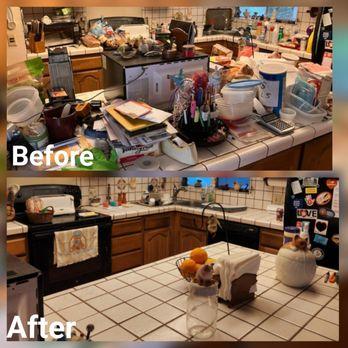
Case Study: Before and After
Consider a small apartment living room that was cluttered and unwelcoming. By implementing these layout techniques:
- Rearranging furniture to create a clear pathway.
- Incorporating a multi-functional sofa bed.
- Utilizing a light color palette.
The result was a shining, spacious area that felt larger and more inviting, demonstrating the power of effective layout techniques.
Conclusion
Transforming your space doesn’t require a complete overhaul-it can start with simple adjustments to your layout. By implementing these 10 effective techniques, you can enhance functionality, improve aesthetics, and create a welcoming atmosphere in any room. Embrace your creativity and enjoy the transformation process. Your ideal space awaits!
Related Posts
-

What simple changes can I make to my home layout to enhance relaxation and creativity?…
-

- What are some essential layout techniques for enhancing creativity in design? Are you ready…
-
- What are some creative layout ideas for small spaces to enhance functionality? Are you…