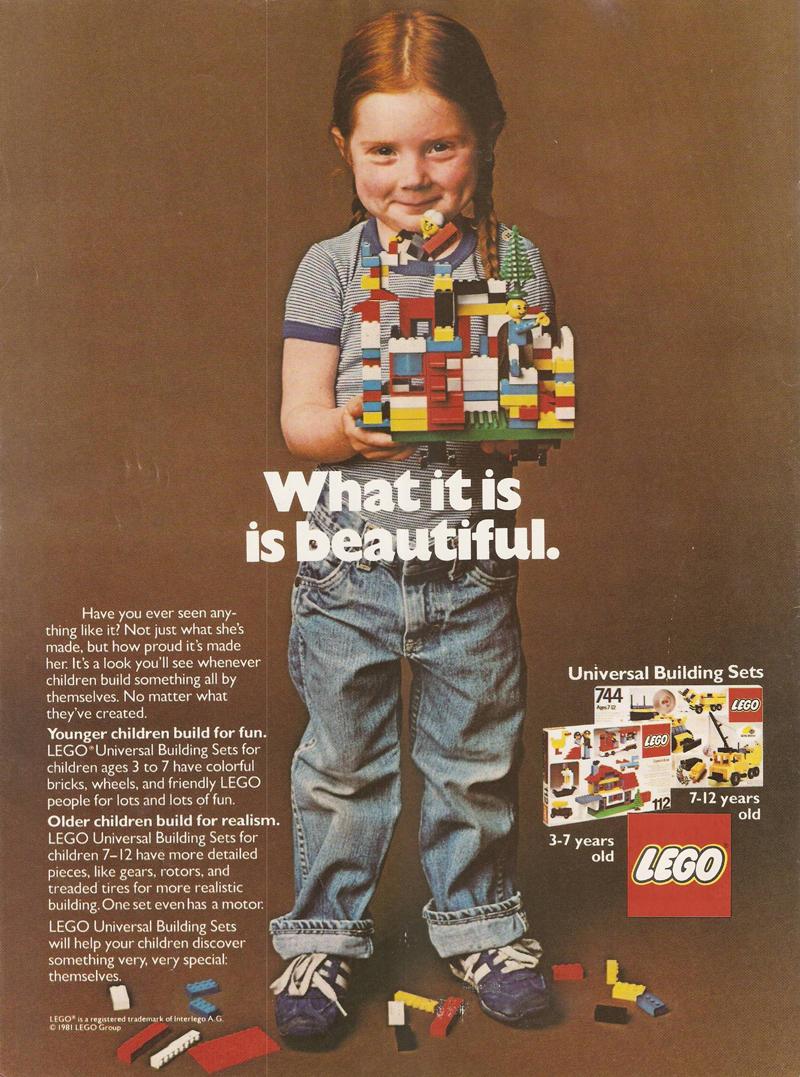
What techniques are effective for storytelling in print advertising?
In today’s fast-paced digital age, capturing the audience’s attention has never been more challenging. However, the art of print ad storytelling remains a powerful tool that can engage consumers and enhance brand perception. Unlocking imagination through storytelling can transform ordinary ads into memorable experiences that resonate deeply wiht the viewer.
Understanding Print Ad storytelling
Print ad storytelling involves crafting a narrative that informs, entertains, and connects with the audience. Rather then merely presenting facts, triumphant print ads tell a story that engages emotions, encourages reflection, and prompts action. Let’s delve deeper into the essence of this art.
The Importance of Storytelling in Print Ads
Storytelling in print advertisements offers several advantages:
- Emotional Connection: Stories evoke emotions; they make your message relatable and memorable.
- Increased Engagement: An captivating narrative can catch and retain attention.
- Brand Differentiation: Unique stories can distinguish your brand from competitors.
- Enhanced Recall: Consumers are more likely to remember the stories behind the ads they see.
Benefits of Using Storytelling in Your Print ads
Implementing storytelling techniques in your print advertisements can yield impressive results.Some key benefits include:
| Benefit | Description |
|---|---|
| Stronger Brand Identity | A compelling narrative solidifies your brand’s image in the consumer’s mind. |
| Improved Customer Loyalty | Engaging stories foster deeper consumer relationships. |
| Higher Conversion Rates | emotion-driven stories can lead to consumer action, boosting sales. |
| Greater Shareability | Interesting stories are more likely to be shared, enhancing your reach. |
Crafting Your Print Ad Story
To create an impactful print ad story, follow these steps:
1.Know Your Audience
Understanding your target audience is essential for effective storytelling. Research demographics, preferences, and pain points to tailor your message.
2. define a Clear Message
Your story should convey a clear message that aligns with your brand values and resonates with your audience.
3. Create Engaging Characters
Characters can humanize your story, making it relatable. They could be customers, brand ambassadors, or even fictional characters that represent your ideals.
4. build a Narrative Arc
- Introduction: Set the scene and introduce the characters.
- Conflict: present a challenge or problem that resonates with your audience.
- Resolution: Showcase how your product or service solves the challenge.
5. Incorporate Visual Elements
Visuals play a crucial role in storytelling. Use striking images,typography,and colors to enhance your narrative and draw attention.
Case Studies: Successful Print Ad Storytelling
Let’s look at a few examples where companies excelled in print ad storytelling:
- Apple: Their ads frequently enough depict user stories, showcasing how their products solve everyday problems.
- Coca-Cola: coke’s holiday campaigns focus on themes of joy and togetherness, resonating with audiences on an emotional level.
- Nike: Nike’s “Just Do It” campaign often tells stories of perseverance, creating a deeper connection with their customers.
Practical Tips for Print Ad Storytelling
Below are actionable tips for creating compelling stories in your print ads:
- Use bold headlines to capture attention promptly.
- Maintain a consistent brand voice throughout your ad.
- Include a call to action (CTA) that aligns with your story’s end message.
- Utilize the power of testimonials as they add authenticity to your storytelling.
First-Hand Experience: A Marketer’s Journey
As a marketer, I embarked on a campaign for a local coffee shop seeking to expand its customer base. By weaving a narrative about the journey of sourcing coffee beans from farmers to the cup, we created a print ad that highlighted quality and care in the product. This not only drew attention but also resonated emotionally with our audience, ultimately driving footfall to the shop.
Conclusion
unlocking imagination through print ad storytelling is an art that, when mastered, can substantially enhance your marketing efforts. By creating engaging narratives that resonate with your audience, you can elevate your brand and foster lasting connections. Remember, storytelling in advertising is not about merely selling a product; it’s about building a relationship and communicating your brand’s essence through compelling narratives. Embrace the art of storytelling, and watch as it transforms your print ads from ordinary to unusual.
Related Posts
-

- How can luxury print advertising enhance brand perception? In the age of digital marketing,…
-
<img class="vimage_class" src="https://sirgo.com/wp-content/uploads/2025/04/-ad-uk.jpg" alt="effective print layouts">- What tips can definitely help improve the readability of…
-

What techniques can enhance creativity in developing engaging print advertising campaigns? In today's fast-paced world,…