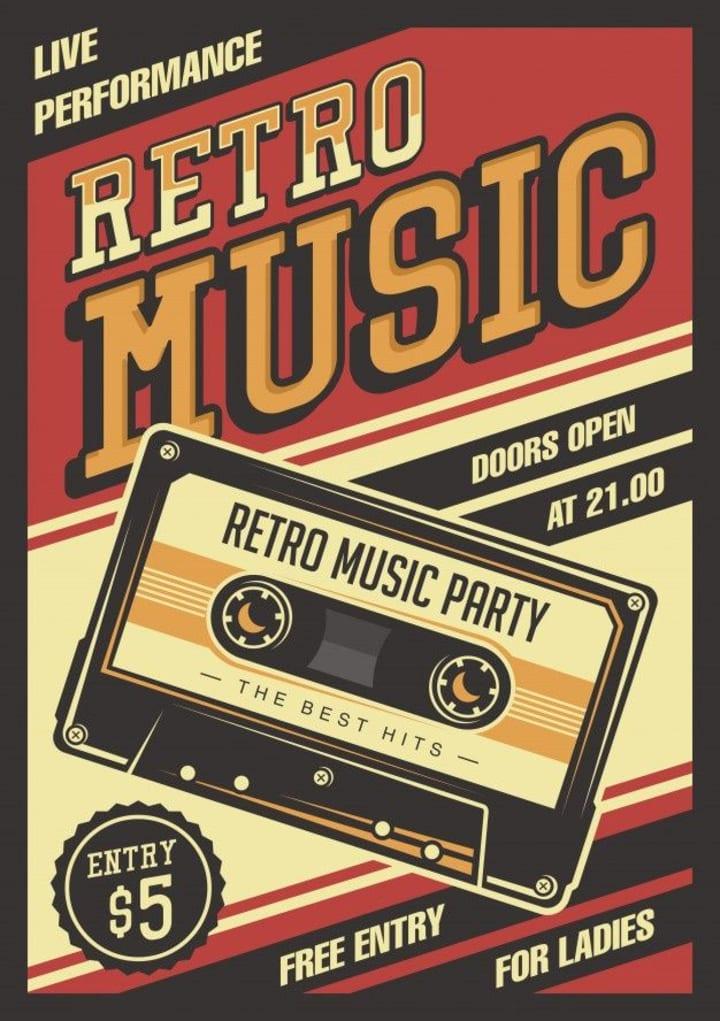
 retro graphic design“>
How can I incorporate retro design techniques into my modern projects?
Introduction
In today’s rapidly evolving design landscape, the allure of retro graphic design trends holds a special place in the hearts of creatives. This thorough guide will take you on a vibrant journey through the rich history, key techniques, and timeless aesthetics of retro design. Whether you’re a seasoned graphic designer or just starting your creative journey, understanding retro influences can ignite your imagination and expand your skill set.
Understanding Retro Graphic Design
Retro graphic design pulls inspiration from past decades, commonly ranging from the 1920s to the 1980s.Each era has its unique styles, colour palettes, and typographic choices. Here’s a brief overview of some key retro styles:
| Decade | Characteristics |
|---|---|
| 1920s | Art Deco, geometric shapes, bold colors |
| 1950s | Bright pastels, playful fonts, and pattern repetition |
| 1970s | Earthy tones, psychedelic colors, and free form designs |
| 1980s | Neon colors, abstract shapes, and pixel art |
Benefits of embracing Retro Graphic Design
Embracing retro graphic design trends offers several benefits:
- Visual Appeal: Retro styles evoke nostalgia, attracting viewers.
- Unique identity: Incorporating vintage trends sets your work apart.
- Versatile Applications: Retro design can be used in various contexts, from branding to web design.
- Creative Freedom: The eclectic mix of styles encourages experimental thinking.
Techniques for Creating Retro Graphic Designs
Here are some key techniques to help you create stunning retro designs:
Color Palettes
Select color schemes that reflect the era you’re drawing inspiration from. For instance, the 80s preferred neon colors and high contrast, while the 50s favored soft pastels.
Typography
Choose fonts that resonate with the retro period. for example:
- Art Deco: Use bold, geometric fonts.
- 1960s Revival: Opt for rounded,bubbly letter shapes.
- 1970s Psychedelia: Playful,unconventional typography.
Texture and Patterns
Add textures and patterns that represent the period. Textured backgrounds or halftone patterns can give your design depth and interest.
Ilustrations and Icons
Incorporate retro illustrations or icons, from vintage product illustrations to iconic images that define eras.
Practical Tips for Designing Retro Graphics
When embarking on your retro design journey, keep these practical tips in mind:
- Research: Dive into design history to understand the nuances of each era.
- Experiment: Don’t be afraid to mix elements from diffrent decades.
- Stay Authentic: Always strive for authenticity in your designs. Avoid over-saturation of trendy elements.
- Seek Feedback: Share your drafts with fellow designers for constructive criticism.
Case Studies: Successful Retro Design Implementations
let’s take a look at a few successful case studies where retro design has been leveraged effectively:
Case Study 1: Coca-Cola Vintage Ads
Coca-Cola has consistently utilized retro designs in their marketing strategies. By incorporating nostalgic elements from the 1950s, they successfully resonated with consumers’ sentiments, enhancing brand loyalty.
Case Study 2: Spotify’s Retro Playlist Covers
Spotify’s retro-themed playlists often feature vibrant colors and quirky typography reminiscent of the 1980s, attracting listeners and enhancing their overall user experiance.
First-Hand Experience: My Journey into Retro Graphic Design
As a graphic designer, I often find myself inspired by retro aesthetics. During a recent project for a music festival, I adopted a retro 70s vibe, utilizing bold colors and funky typography. the audience response was overwhelmingly positive, demonstrating the power of retro Design in engaging viewers. It reinforced my belief that design isn’t just about visual appeal; it’s about connecting emotionally with your audience.
Conclusion
Unleashing your creativity through retro graphic design techniques can create vibrant and eye-catching work. By understanding the history, tools, and techniques behind these styles, you can add depth and personality to your designs. Whether you’re looking to charm an audience or simply experiment with visual elements,retro design offers a plentiful landscape of opportunities. Don’t be afraid to dive into your creative journey and let your imagination run wild!
Related Posts
-

- What are some examples of prosperous advertising campaigns that use modern graphic design techniques?…
-

What role do technology and digital tools play in graphic design trends for advertising? vibrant…
-

- What role do color and typography play in 2024 graphic design trends? Vibrant Visions:…