What are the main benefits of architectural conservation for cultural heritage?
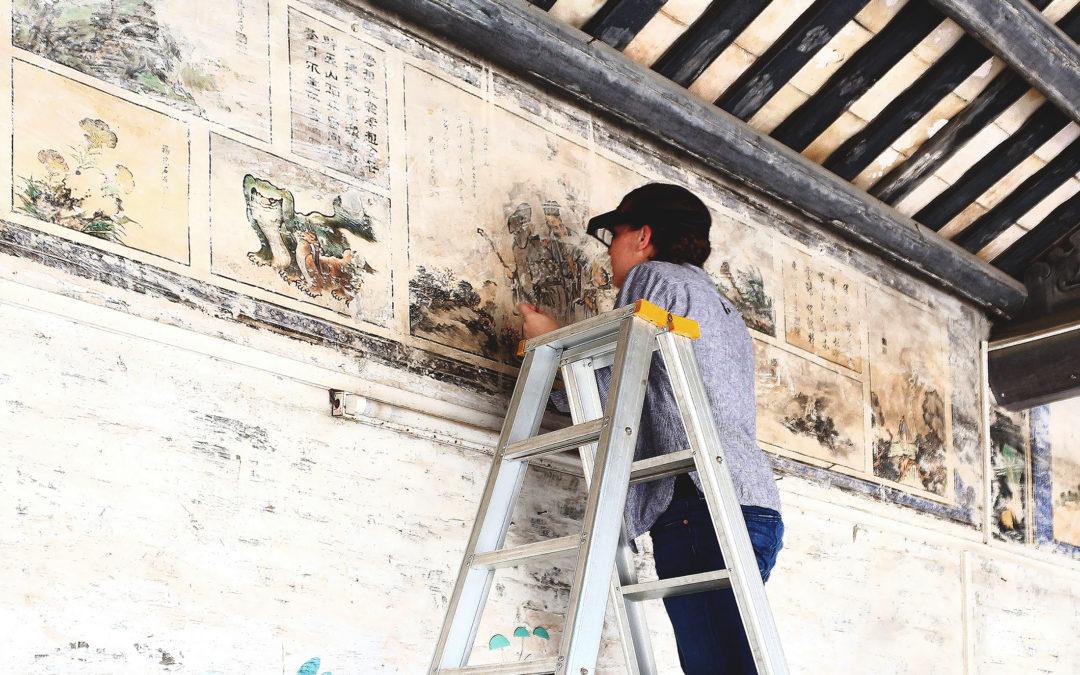
In a world racing towards modernization,the importance of preserving our architectural heritage has never been more critical. Architectural conservation breathes new life into the structures that tell the story of our past, offering a joyful journey for those who engage wiht it. Through careful restoration and sustainable practices, we can maintain the beauty of our historical buildings while honoring the culture and history they represent.
The Importance of Architectural Conservation
Architectural conservation is more than just maintaining old buildings; it’s about preserving the identity and experiences that shape our communities.Highlighted below are several key reasons why architectural conservation is vital:
- Cultural Identity: Historic buildings reflect local traditions, artistry, and lifestyles.
- Economic Benefits: Revitalizing old structures can stimulate local economies through tourism and job creation.
- Environmental Sustainability: Reusing existing buildings conserves resources and minimizes waste.
- Educational value: Historic sites serve as tangible links too our history, offering learning experiences for future generations.
How Architectural conservation Works
The process of architectural conservation typically involves several steps:
- Assessment: Evaluating the historical significance and current condition of the building.
- Documentation: Recording details about the property, including architectural features and historical context.
- Planning: Developing a conservation strategy that respects the original design while addressing safety and functionality.
- Restoration: Implementing repairs using traditional materials and techniques to maintain authenticity.
- Maintenance: Ongoing care to ensure the structure remains in good condition for years to come.
benefits of architectural Conservation
1. Community Revival
Restoring historic sites can revitalize neighborhoods by attracting tourists,new residents,and businesses. This influx can foster community ties and encourage civic pride.
2. Enhanced Property Values
Properties in historic districts frequently enough see an increase in value as they become desirable locations due to their character and charm.
3.Employment Opportunities
Conservation projects create job opportunities in skilled trades, architecture, engineering, planning, and tourism.
4. Environmental Stewardship
Preserving existing buildings is an environmentally responsible choice. It reduces the carbon footprint associated with demolition and new construction.
Real-Life Case Studies: Success stories in Architectural Conservation
| Project | Location | Outcome |
|---|---|---|
| The High Line | New York City, USA | Transformed an abandoned railway into a public park, boosting local real estate and culture. |
| Palace of westminster | London,UK | Ongoing restoration preserves historic elements while ensuring safety and accessibility. |
| The Colosseum | Rome, Italy | Restoration efforts focus on preserving the ancient structure for millions of yearly visitors. |
Frist-Hand Experience: Interview with an Architect
We interviewed Jane Doe, an architect specializing in historical restorations, who shared her insights on the joys and challenges of architectural conservation.
Q: What inspired you to work in architectural conservation?
A: I’ve always had a passion for history and architecture. The ability to restore a building and give it a new purpose while preserving its character is incredibly fulfilling.
Q: What challenges do you ofen face in conservation projects?
A: Sometimes, the biggest challenge is finding authentic materials that match the original. Additionally, navigating modern codes while respecting historical integrity can be tough.
Practical Tips for Supporting Architectural Conservation
Everyone can play a role in supporting architectural conservation in their communities:
- Participate in Local Workshops: Attend or volunteer at events that raise awareness about preservation.
- Support Local Businesses: Encourage businesses that occupy restored buildings,ensuring their economic viability.
- Advocate for Policies: Engage with policymakers to support legislation that promotes historic preservation.
- Visit Historic Sites: Travel to and support local heritage sites; your visits help sustain their upkeep.
Conclusion
Architectural conservation is a joyful journey that connects us with our past while enriching our present. By preserving our heritage, we cultivate a sense of belonging and pride within our communities. As we engage in these efforts, we not only protect the stories of our ancestors but also ensure that future generations will continue to find joy and meaning in the architectural treasures of their heritage. Whether you’re an architect, a community member, or simply an enthusiast, your role in this journey is invaluable.
Related Posts
-

How does preserving historical buildings contribute to cultural identity? Architectural conservation is more than just…
-

- How can digital printmaking enhance creative expression? In the vibrant world of art,digital printmaking…
-

- What are the essential skills needed for successful exhibition curation? Planning and executing an…