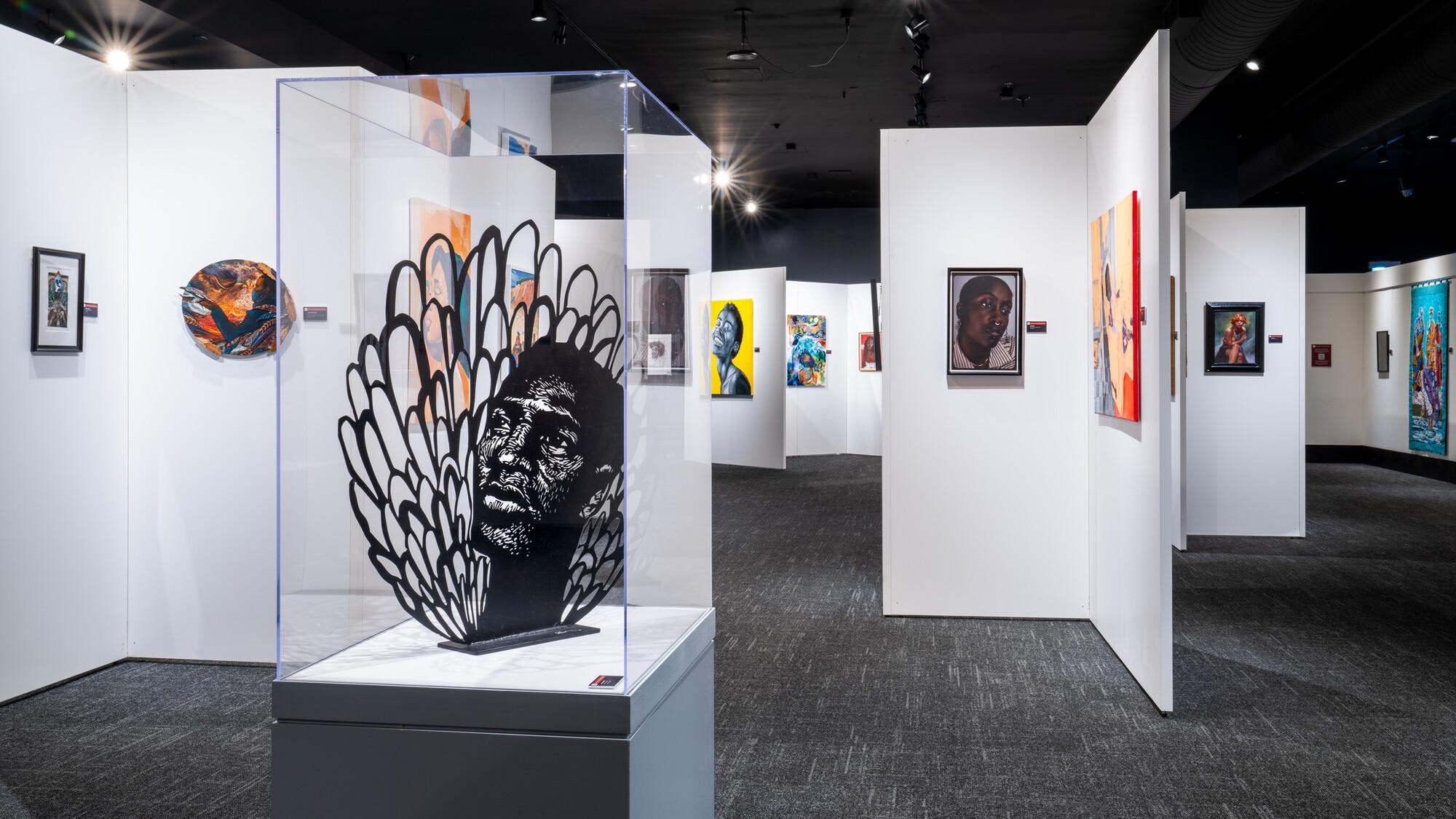
What role does creativity play in the process of planning an art exhibition?
Art exhibitions are a staple of cultural engagement, showcasing creativity and innovation in various forms. But have you ever considered the role of curation in shaping your experience at an art exhibition? From the selection of artworks to the overall thematic presentation, art exhibition curation offers a unique perspective that can unlock your creativity. in this article, we’ll explore the intricacies of art curation and the joy it brings to both curators and visitors alike.
The Art of Curation: What Is It?
Curation is the process of selecting, organizing, and presenting artworks to create a cohesive and immersive experience for the audience.A skilled curator goes beyond simply displaying art-they weave stories and concepts that engage viewers on multiple levels. The nuances of curation often enhance emotional responses, stimulate critical thinking, and encourage personal connections to the art displayed.
Benefits of Art Exhibition Curation
Enhances Visitor Engagement
- Deepens Understanding: Thoughtful curation provides context, helping visitors understand the significance of each piece.
- Creates Emotional Connections: Well-curated exhibitions evoke feelings, fostering an emotional journey through the art.
- Encourages Dialog: Curation can provoke discussion and debate, enhancing the communal experience of art.
Fosters creativity
- Inspires New Ideas: Exposure to diverse artistic styles and themes can spark creativity in surprisingly transformative ways.
- builds Critical Thinking: The thoughtful arrangement of works challenges viewers to think critically about art and its message.
Promotes Cultural Awareness
- Diverse Perspectives: Curation can showcase marginalized voices, providing depiction and a wider cultural narrative.
- Historical Context: Curation often incorporates historical frameworks that enrich the understanding of contemporary issues.
Practical Tips for Aspiring Curators
If you’re looking to delve into the world of art curation, here are some practical tips to consider:
1. Research Your Theme
Choosing a relevant and engaging theme is essential. Use discussions, articles, and interviews to determine what resonates with your audience.
2. Build Relationships with Artists
Communicating with artists and understanding their vision can create a more meaningful and authentic exhibition.
3. Consider space and Arrangement
The layout of the exhibition should reflect the theme. Experiment with different arrangements to find what best tells your story.
4. Gather Feedback
After your exhibition, solicit feedback to understand what worked and what didn’t. This will help you grow and improve future exhibitions.
Case Study: The Impact of Curation on Visitor Experience
Let’s take a look at a notable case study: the “Soul of a nation: Art in the Age of Black Power” exhibition at the Tate Modern. This exhibition was carefully curated to highlight the contributions of Black artists during the civil rights movement.
Key Elements of the exhibition
| Element | Description |
|---|---|
| Thematic Structure | Groupings based on historical context and artistic movements. |
| Diverse Artwork | Inclusion of various artistic styles, from painting to photography. |
| Interactive Components | Opportunities for dialogue and discussion facilitated through workshops. |
The response from attendees was overwhelmingly positive. Visitors reported feeling empowered and inspired, illustrating how powerful curation can be in transforming an exhibition into an experience of connection and insight.
First-Hand Experience: A curation Journey
As a budding curator myself, I embarked on curating a local exhibition showcasing emerging artists from my community. the process involved selecting artworks that not only displayed technical skill but also resonated with personal narratives shared by the artists. By engaging with each artist in-depth, I was able to create connections between their works and present a narrative that celebrated diversity and innovation.
Curating this exhibition not only deepened my gratitude for the artists’ work but also allowed visitors to explore unfamiliar perspectives. I watched as conversations sparked among attendees, proving that an effective curation can have lasting impacts.
Conclusion: The Transformative Power of Curation
Art exhibition curation is more than a functional task; it is indeed a transformative art form that shapes how we experience and engage with art. Through thoughtful selection and presentation, curators unlock creativity-not only within themselves but also within their audiences. Whether you’re an aspiring curator or a passionate art lover, embracing the joy of curation can enhance your understanding of art and its cultural significance.
Related Posts
-

- What are the essential skills needed for successful exhibition curation? Planning and executing an…
-

- What are teh key elements of successful art exhibition curation? Art exhibitions are not…
-

How can artists effectively integrate technology into their creative processes? The intersection of art and…