How is technology impacting traditional art forms and creative practices?
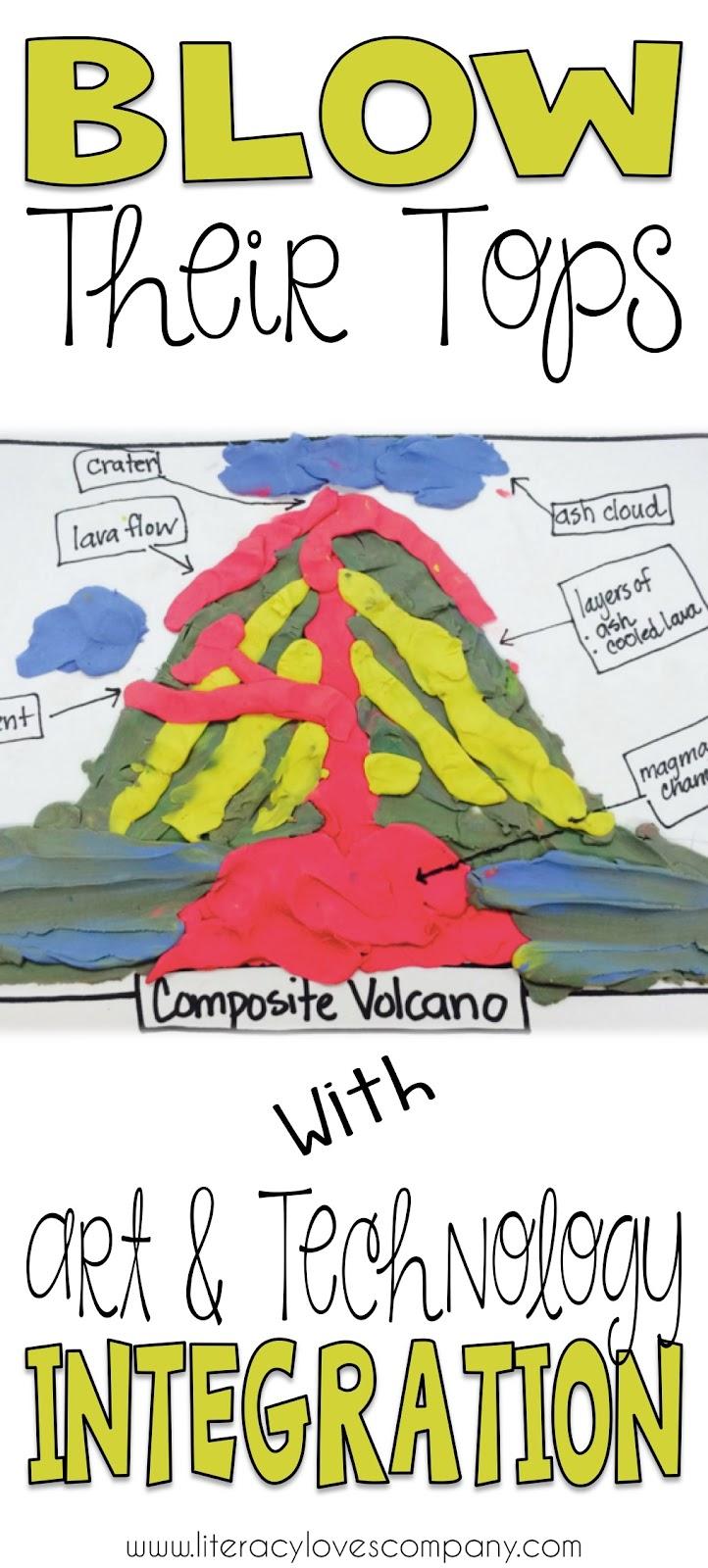
In today’s world, the convergence of art and technology is unlocking new realms of creativity.Whether you’re an artist, designer, educator, or technologist, understanding this integration is key to navigating the rapidly evolving landscape of creative expression. This article delves deep into how art and technology are intertwined,showcasing the benefits and practical tips for embracing this transformation.
The Intersection of Art and Technology
Art and technology, once thought to be distinct domains, are increasingly merging to create innovative outcomes. This intersection is characterized by:
- Digital Art: The use of software tools to create visual art.
- Interactive Installations: Combining physical art with technology to enhance viewer engagement.
- Augmented and Virtual Reality: Expanding artistic experiences beyond traditional boundaries.
Benefits of Art and Technology Integration
The fusion of these fields offers numerous advantages, including:
1. Enhanced Creativity
Technology provides tools that give artists new ways to express their visions. Software like Adobe Creative Cloud and tools such as AI art generators are examples of technologies that can elevate creative workflows.
2. Greater Accessibility
Digital platforms widen the audience reach. Artists can share their work globally,while technology enables access to art education for people in remote areas.
3.Improved Collaboration
Art and technology collaborations foster interdisciplinary partnerships, leading to innovative projects that combine skill sets from diverse fields.
Case Studies: Success Stories
Case Study 1: TeamLab
TeamLab, a Tokyo-based art collective, utilizes digital technology to create immersive art installations that change perception and emotion. Their exhibitions offer a new narrative where the audience becomes part of the artwork.
Case Study 2: the Night Cafe in Virtual Reality
Inspired by Vincent van Gogh’s famous painting, “The Night Cafe,” this VR experience allows users to step into an interactive version of the iconic artwork, blurring the lines between observer and participant.
Practical Tips for artists and Creatives
integrating technology into your creative process may seem daunting, but here are some practical tips to help:
- Experiment with Tools: Try various digital platforms like Canva, Procreate, or Blender to find what resonates with your style.
- Join Online communities: Connect with other creatives on platforms like Behance or ArtStation for inspiration and feedback.
- Stay Updated: Follow technology and art blogs to keep up with the latest trends and tools in the industry.
- Collaborate with Technologists: Partner with digital experts to expand your creative projects.
- Attend Workshops: Engage in workshops that focus on the integration of technology in art.
Real-World Experiences: Creatives Speak
To gain first-hand insight into the integration of art and technology, we spoke with several creatives:
“Using digital tools has changed the way I approach my art. I’m more spontaneous and can try out new ideas quickly,” says artist Sarah Lee, who specializes in digital illustrations.
“Technology allows me to create interactive experiences that connect my audience with my work in ways I never thought possible,” shares interactive designer Marcus Wong.
Emerging Technologies Shaping the Future of Art
Several emerging technologies are set to further transform the artistic landscape:
1. Artificial Intelligence (AI)
AI is being used to enhance creativity, generate unique artworks, and automate repetitive tasks, allowing artists to focus on the more imaginative aspects of their work.
2. Blockchain in Art
Blockchain technology is changing how art is bought and sold, promoting openness and unique ownership thru NFTs (Non-Fungible Tokens).
3. 3D printing
3D printing is enabling artists to create tangible versions of their digital designs, bridging the gap between digital art and traditional sculpture.
Challenges of Integration
While the integration of art and technology offers many benefits, there are challenges to consider:
- Technological Proficiency: Artists may need to upskill to effectively use new technologies.
- Access to Tools: High-quality software and hardware can be expensive, potentially limiting access for some artists.
- Intellectual Property Concerns: The digital nature of art can lead to issues regarding copyright and ownership.
Conclusion
The integration of art and technology is reshaping the creative landscape, unlocking new potential for artists and creatives. By embracing this convergence, individuals can enhance their creativity, broaden their audiences, and collaborate in exciting new ways. As technology continues to evolve, so too will the art that emerges from it, making it a thrilling time to be a part of the creative community. The future of creativity is indeed a collaborative canvas of art and technology.
Related Posts
-

<img class="vimage_class" src="https://sirgo.com/wp-content/uploads/2025/03/5pmFRk.jpg" alt="augmented reality art">- How can augmented reality be used as a tool…
-

How can artists effectively integrate technology into their creative processes? The intersection of art and…
-

- How can anyone get started with experimental art techniques? art is a reflection of…