What are the key characteristics of retro pop art?
Discover the Vibrant World of Retro Pop Art: A Colorful Journey Through Iconic Styles and Cultural Impact
Welcome to the fascinating realm of retro pop art, a movement that not only shaped the art landscape of the 20th century but also continues to influence modern creativity.With its bold colors, iconic imagery, and cultural critiques, retro pop art holds a unique place in both art history and popular culture. This article aims to take you on a colorful journey through the defining styles, cultural impact, and enduring legacy of retro pop art.
The Origins of Retro Pop Art
Emerging in the mid-1950s to the late 1970s, retro pop art was a response to the commercialism and mass media of the time. Artists such as Andy Warhol and Roy Lichtenstein harnessed the visual language of advertisements, comic strips, and consumer products to create pieces that were both provocative and celebratory. Here are some key points about the origin:
- Pop art originated in the United Kingdom and the United States.
- it utilized imagery from fashion, film, and advertising.
- Artists challenged conventional ideas about fine art through the inclusion of everyday culture.
Iconic Styles of Retro Pop Art
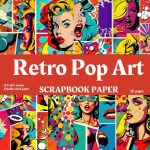
Retro pop art is characterized by its bold aesthetics and vibrant colors. Below are some of its most recognizable styles:
1. Commercial Art Influence
This style integrates commercial techniques with fine art, emphasizing the visual language of advertisement.
2. Comic Strips and Narratives
Inspired by comic book aesthetics,this style often features exaggerated expressions and dynamic compositions.
3. Collage and Mixed Media
Artists like Richard Hamilton created collages that challenged the boundaries between artistic disciplines.
4. Screen Printing
Popularized by Andy Warhol, screen printing allowed for the mass production of artwork, making art accessible to the public.
The Cultural Impact of retro Pop Art
Retro pop art was more then an artistic movement; it influenced various aspects of culture, from fashion to music and beyond. Here are a few illustrative points:
1. Fashion Influence
fashion designers like Pierre cardin and Vivienne Westwood incorporated retro pop art themes into their collections, bringing the art out of galleries and onto the streets.
2. Music and Album Covers
Many iconic album covers during the 1960s and 70s were inspired by pop art, including the Beatles’ “Sgt. Pepper’s Lonely Hearts Club Band.”
3. Film and Media
Directors like Andy Warhol used the bold aesthetics of pop art to redefine film, making it an art form that could be both accessible and avant-garde.
Modern Revival and Influence
Today, retro pop art experiences a resurgence, with new artists drawing on its legacy. Notable examples include:
- Social media artists using pop art styles to create digital content.
- graphic design that incorporates elements of retro pop art for branding.
- Contemporary art exhibitions showcasing modern interpretations of the genre.
Benefits of Incorporating Retro Pop Art into Your Life
Integrating retro pop art in your decor, fashion, or personal projects can provide both aesthetic pleasure and cultural commentary. Here are some benefits:
- Vibrancy: Retro pop art adds colour and liveliness to any space.
- Conversation Starter: Artwork can spark discussions about culture, history, and art philosophy.
- Inspiration: The boldness of pop art encourages creative expression in various forms.
Case Studies: Icons of Retro Pop Art
| artist | key Work | impact |
|---|---|---|
| Andy Warhol | Campbell’s Soup Cans | Questioned consumerism and art’s value. |
| Roy Lichtenstein | Whaam! | Transformed comic strips into fine art. |
| Robert Rauschenberg | Erased de kooning Drawing | Blurred the lines between art and everyday life. |
First-Hand Experience with Retro Pop Art
as an art enthusiast, exploring retro pop art has been a vibrant journey. I had the chance to visit a gallery featuring Warhol’s works, and I was fascinated by the interplay of consumer culture and art. The way Warhol transformed mundane objects into iconic pieces left a lasting impact on my understanding of art’s role in society.
Practical Tips for Engaging with Retro Pop Art
If you’re interested in diving into the world of retro pop art,here are some practical tips:
- Visit Exhibitions: Check out local galleries or museums that feature pop art exhibitions.
- Collect Prints: Start a collection of posters or prints from your favorite retro pop artists.
- Follow Online Communities: Join social media groups focused on pop art for inspiration and discussion.
- try Creating Your Own: Experiment with pop art styles in your own artwork-be bold!
Conclusion
The vibrant world of retro pop art is more than just a visual style; it’s a cultural phenomenon that continues to inspire and provoke thoght. From its roots in the mid-20th century to its modern interpretations, retro pop art serves as a colorful reminder of our relationship with culture, consumerism, and creativity. Whether you’re an artist, a collector, or simply someone who appreciates vibrant colors and bold statements, retro pop art offers a unique lens through which to view our world-so immerse yourself in this colorful journey and let creativity flourish!
Related Posts
-
Who are some iconic artists associated with the retro pop art movement? Celebrating Vibrance: Dive…
-

How does mosaic art contribute to community engagement and creative expression? Mosaic art,once regarded as…
-

- How can cultural heritage art forms contribute to community identity and pride? Celebrate the…