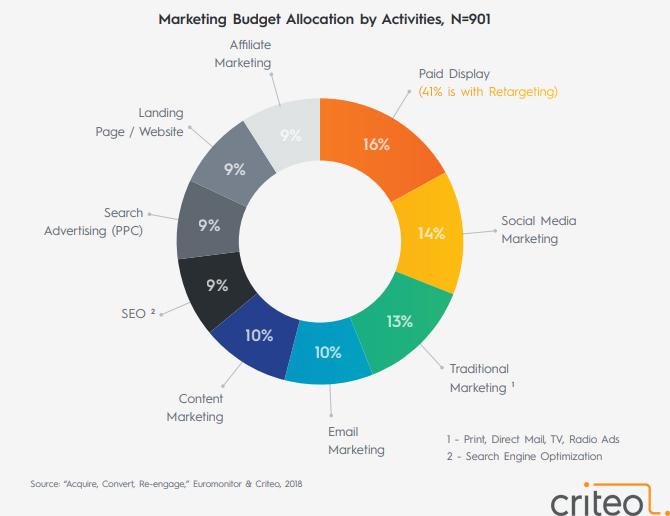
What are the essential components to consider when budgeting for print advertising?
In today’s competitive business landscape, crafting effective print advertising campaigns is essential. However, prosperous print ad budgeting can be a daunting task for marketers and business owners alike. this article will explore smart strategies for mastering print ad budgeting, ensuring your campaigns are not only effective but also cost-efficient. Ready to shine? Let’s dive in!
Understanding Print advertising Budgets
Before planning your print ad campaign, it’s crucial to understand what goes into budgeting for print ads. A well-structured budget takes into account both tangible and intangible elements:
- Production Costs: Elements like design,copywriting,and photography.
- Distribution Costs: Costs associated wiht delivering the prints to the target audience.
- Placement Costs: Fees for advertising space in selected media.
- Post-campaign Analysis: Investing time and resources to evaluate campaign performance.
Benefits of Effective Print Ad Budgeting
Investing time in mastering print ad budgeting can yield several benefits:
- Resource Optimization: Allocating funds where thay matter most boosts overall campaign efficacy.
- Improved ROI: Strategic spending leads to higher returns on investment.
- Enhanced Creativity: A clear budget allows for experimentation and innovative ad designs.
- Clearer Objectives: A well-defined budget aligns marketing goals with financial capabilities.
Practical Tips for Effective Print Ad Budgeting
Here are some tried-and-true tips to help you optimize your print ad budgets:
1. Set Clear Objectives
Clearly defining your marketing goals from the start helps guide your budgeting decisions. Are you aiming for brand awareness,lead generation,or direct sales? Establish clear metrics to measure success.
2. Research Print Advertising Options
Different print media offer various cost structures. Familiarize yourself with costs associated with local newspapers, magazines, brochures, or flyers. Use this table to compare options:
| Media Type | Estimated Cost (per ad) | Reach | Best For |
|---|---|---|---|
| Local Newspapers | $500 – $2,000 | High local readership | Community engagement |
| Magazines | $1,000 – $5,000 | Targeted demographics | Niche markets |
| Brochures/Flyers | $200 – $1,000 | Direct distribution | Events and trade shows |
3. Establish a Contingency Fund
Unforeseen circumstances may arise during your campaigns. Setting aside a small percentage (typically 10-15%) of your budget for unexpected expenses can save you from potential setbacks.
4.Leverage Technology
Utilize marketing tools that provide insights into cost allocation and performance tracking. Use software that enables you to measure engagement rates and ROI effectively.
5. Analyze Competitors
Study your competitors’ strategies and their print ad spends. Analyzing their successes and failures can inform your budgeting strategy and marketing decisions.
Case Studies: Successful Print Ad Campaigns
Case Study 1: Local Restaurant Revamp
A small local restaurant decided to refresh its branding and launched a well-planned print ad campaign focusing on health-conscious diners.They allocated 40% of their budget to design and creative aspects while leveraging local newspapers for distribution, leading to a 30% increase in foot traffic within a quarter.
Case Study 2: National Clothing Brand
A national clothing brand focused more on reaching younger demographics by utilizing vibrant magazine layouts and targeted budgets. Their optimal spending strategy improved their brand visibility by 50% over six months while keeping their overall expenditure 20% lower than earlier ad campaigns.
First-Hand Experience: My Journey in Print Ad Budgeting
From my experience running a small marketing agency, I can attest to the critical importance of a well-planned budget. one of our campaigns for a tech startup meant deciding between a glossy magazine and a targeted flyer distribution. After careful analysis, we chose flyers-less expensive but highly effective for their specific audience, leading to successful brand engagement while staying under budget.
Final Thoughts
Mastering print ad budgeting is paramount for marketers looking to create cost-effective campaigns that shine. By setting clear objectives, researching options, and analyzing outcomes, you can optimize your budget to achieve maximum impact without overspending. Remember, effective print advertising is not just about how much you spend, but about how smartly you allocate your resources!
By applying these smart budgeting strategies, you will be better equipped to navigate the world of print advertising and make your mark.Happy campaigning!
Related Posts
-

How can storytelling enhance the effectiveness of print advertising? 10 Creative Strategies for Crafting Effective…
-

- How can print media be integrated with digital marketing efforts to enhance audience engagement?…
-

How can I make my print advertisements more appealing to customers? Revitalize Your Brand: The…