How do I preserve a fresco once it’s completed?
Mastering the Art of Fresco: A Colorful Journey Through Timeless Painting Methods
Fresco painting, one of the oldest art forms known to man, continues to captivate audiences with its vibrant colors and intricate designs.From the grand walls of ancient Roman villas to the stunning ceilings of Renaissance churches, the skillful application of fresco techniques has given us some of the world’s most iconic artworks. In this comprehensive guide, we will explore the rich history, techniques, and practical tips to help you master the art of fresco painting.
The Engaging History of Fresco
Fresco, derived from the Italian word affresco meaning “fresh,” refers to the method of mural painting on freshly laid wet plaster. This technique has been used as antiquity, evolving through various cultures and artistic movements.
- Early Beginnings: The origins of fresco painting can be traced back to ancient civilizations like the Egyptians and Minoans, who adorned their walls with colorful images.
- Roman Innovations: The Romans developed the technique further, incorporating vibrant colors and sophisticated designs, as seen in Pompeii’s preserved frescoes.
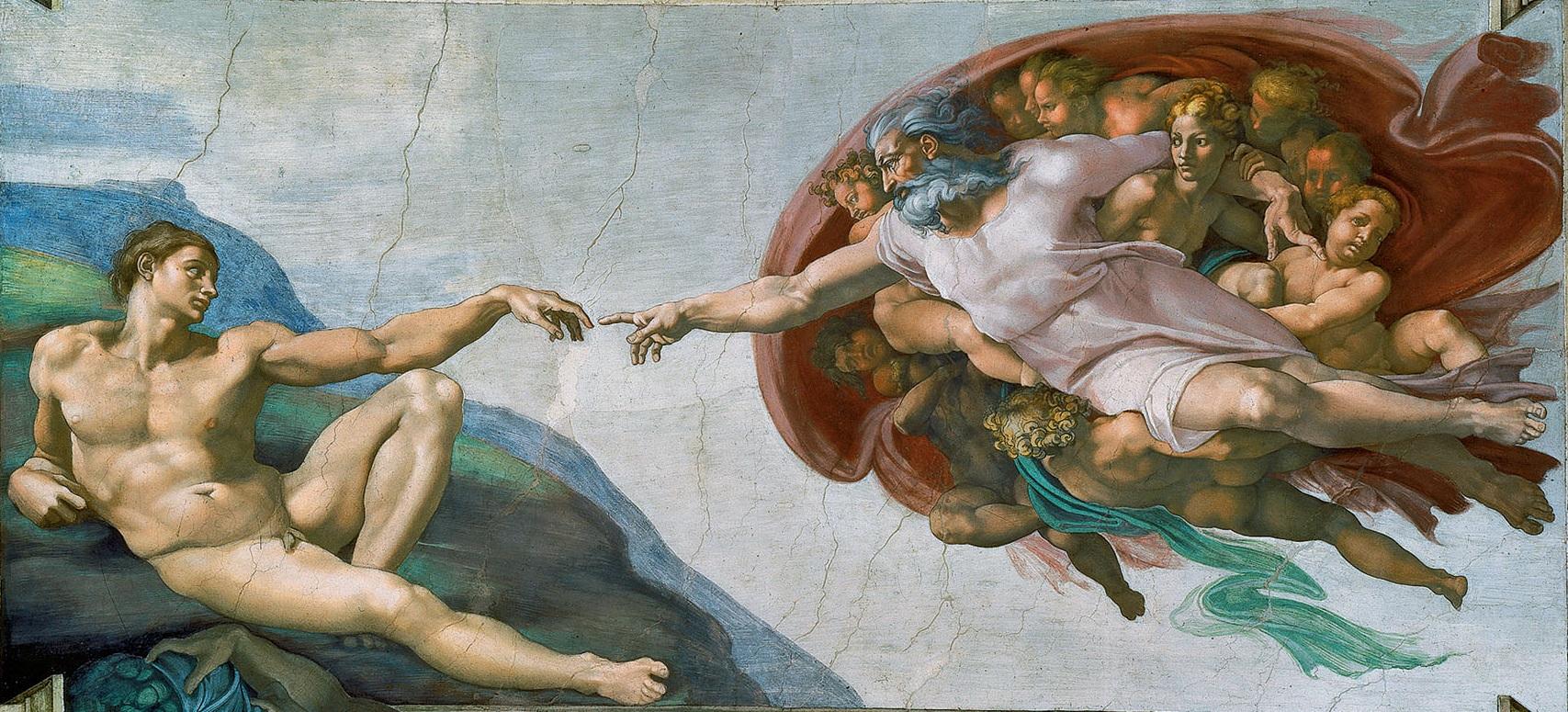
- Renaissance Masterpieces: The Renaissance marked the peak of fresco painting, with artists like Michelangelo and Raphael elevating it to an art form that conveyed grand narratives and spirituality.
Types of Fresco Techniques
Understanding the different fresco techniques is crucial for any aspiring fresco artist. Here are the two main types:
| Technique | Description |
|---|---|
| Buon Fresco | Painting on wet plaster, allowing pigments to bond with the wall as it dries. |
| Fresco Secco | painting on dry plaster,which requires the use of a binding medium but is less durable. |
Benefits of Mastering Fresco painting
Embracing fresco painting can have numerous benefits, whether you’re an amateur artist or a seasoned professional:
- Enhances Artistic Skills: Frescoes require patience and precise technique, improving your overall painting abilities.
- Historical Appreciation: Learning fresco painting connects you with the rich history of art and architecture.
- Vibrant Aesthetics: The colors in fresco can maintain their vibrancy for centuries, adding beauty to any space.
Getting Started with Fresco Painting
Ready to dive into fresco painting? Here are some practical tips to help you get started:
Tools and Materials Needed
- Fresh Lime Plaster: Essential for the buon fresco method.
- Pigments: Use natural earth pigments mixed with water for vibrant colors.
- Brushes: Different sizes for detail work and broader strokes.
- Sponges: Useful for blending and correcting mistakes.
Steps to Creating a Fresco
- Prepare the Surface: Ensure your wall is clean and apply a rough layer of plaster.
- Apply the First Layer: While it is indeed wet,begin painting your design.
- Work Quickly: You need to complete your painting before the plaster dries.
- Finish with a Protective Coating: This will help preserve your artwork.
Case Studies: Iconic Fresco Artists
Throughout history, several artists have mastered the art of fresco painting, leaving behind a legacy that inspires new generations:
- Michelangelo: Known for the Sistine Chapel ceiling, Michelangelo’s use of color and perspective transcended mere decoration to create a transformative experience.
- Raphael: His fresco The School of Athens captures the essence of Humanism and philosophical inquiry, demonstrating the power of the medium.
My First-Hand Experience with Fresco Painting
Engaging in fresco painting not only enhanced my artistic skills but also allowed me to appreciate the meticulous process behind each creation.I started with a small project, using the buon fresco method on a piece of drywall. As I applied the wet plaster and painted, I felt a connection to the artists of the past. The joy of watching the colors emerge as the plaster dried was immensely rewarding. Here are some reflections from my journey:
- The need for precision taught me patience and planning.
- The vibrant colors that appeared left me in awe, a testament to the medium’s longevity.
- Each mistake became a learning opportunity, making the process as enriching as the end product.
Conclusion
Mastering the art of fresco painting is a vibrant journey into a timeless technique that has fascinated artists for millennia. By understanding its history, techniques, and tools, you can embark on your own fresco adventure. not only will you enhance your artistic skills, but you will also create lasting artwork that contributes to the rich tapestry of this ancient art form.So gather your materials, unleash your creativity, and let the colors of fresco painting brighten your world!
Related Posts
-

- How can I choose the best colors for a fresco artwork? Fresco painting, a…
-

- What techniques do artists use to create large-scale murals in urban environments? urban art…
-

What techniques do feminist artists use too convey their messages? Throughout history, art has served…