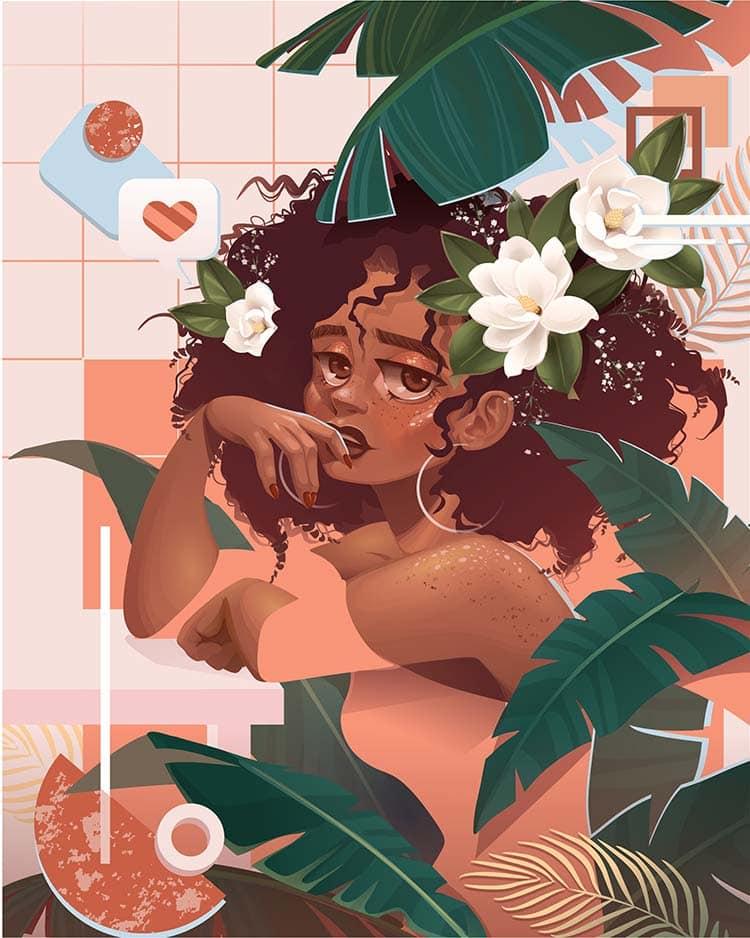
– What are some essential digital illustration techniques for beginners?
In today’s digital world, artists have more tools at their fingertips than ever before. The ability to create stunning visuals digitally has transformed the art landscape. Whether you’re a seasoned illustrator or just starting out, mastering various digital illustration techniques can help you unleash your creativity and boost your artistic skills. In this article,we will explore 10 inspiring digital illustration techniques that every artist should master.
1. Understanding the Basics of Digital Brushes
Digital brushes are essential tools for any digital illustrator. Different brushes can create diverse textures and effects. Here are a few types to consider:
- Soft Brushes: Ideal for blending and creating smooth gradients.
- Texture Brushes: Perfect for adding depth and uniqueness.
- Hard Brushes: Great for sharp lines and clear details.
2. Mastering Layer techniques
Layers are crucial for organizing your artwork. They allow you to work non-destructively and experiment more freely.Some tips to master layers include:
- Use Separated Layers: Keep different elements on separate layers for easier adjustments.
- Layer Masks: Use them to hide or reveal parts of a layer without deleting content.
- Blend modes: Experiment with different blend modes for unique color interactions.
3. Color Theory and Application
Understanding color theory can dramatically improve your artistry. Make sure to learn about:
- Color Harmony: Use complementary colors for vibrant contrasts.
- Warm and Cool Colors: Utilize color temperature for emotional impact.
Experimenting with color palettes can enhance your creativity.Try using online palette generators for inspiration!
4. Digital Texturing Techniques
Texture adds depth to your illustrations. to create textures, you can:
- Use Texture Overlays: Apply texture images as layers.
- Create Custom Textures: Design your own textures using brushes.
5. Creating Dynamic Compositions
A strong composition is essential for effective artwork.Utilize principles like the rule of thirds or leading lines. Here are some practical tips:
- Start with Thumbnails: Sketch small thumbnail versions of your ideas to explore different compositions.
- Balance Elements: Distribute visual weight evenly throughout your artwork.
6. Digital Illustration with Different Perspectives and Angles
Learning to illustrate from various perspectives can add realism and intrigue to your work.Practice different angles to expand your artistic range:
- 1-Point Viewpoint: Ideal for straightforward scenes.
- 2-Point Perspective: Excellent for corners and more complex settings.
7.Incorporating Character Design Techniques
Character illustrations bring stories to life. To develop strong characters:
- Focus on Silhouette: A distinctive shape makes your character recognizable.
- Express Emotion: Use facial expressions to convey character traits.
8.using digital Effects Wisely
Digital effects can enhance the visual impact of your illustrations. Consider:
- Lighting Effects: Add highlights and shadows for a more dynamic look.
- fx Filters: Use filters sparingly for unique textures and finishes.
9. Experimenting with Animation Techniques
Animation can add an exciting dimension to your artwork. start by learning the basics of motion graphics or frame-by-frame animation:
- GIF Animations: Create simple GIFs to bring your illustrations to life.
- Animated Overlays: add subtle movements for a more engaging experience.
10. Embracing Collaboration and Critique
Sharing your work and receiving feedback is vital for growth. Here’s how to embrace critique:
- Join Online Forums: Engage with other artists for feedback and support.
- Collaborate: Work with others to gain new perspectives and ideas.
Benefits of Mastering These Techniques
By incorporating these techniques into your artistic process, you will:
- Boost your confidence in digital artistry.
- Enhance your creative problem-solving skills.
- Broaden your artistic repertoire.
Case Studies
Numerous artists have employed these techniques to elevate their work. For example:
| Artist | Technique Used | Outcome |
|---|---|---|
| Jane Doe | Texture Overlays | Enhanced depth in landscape illustrations. |
| John Smith | Color Harmony | Vibrant character designs that attract attention. |
First-Hand Experience
Having experimented with many of these techniques myself,I’ve found that the journey involves continuous learning and adaptation. Each artist has a unique style, and finding your niche is part of the fun. Experimenting without fear of failure can lead to gorgeous surprises.
Conclusion
Digital illustration offers countless opportunities for creative expression. By mastering these 10 inspiring techniques,you can unleash your creativity and take your artwork to new heights. Remember, the key is to practice consistently, embrace experimentation, and engage with other artists. So, grab your stylus and start creating today!
Related Posts
-

<img class="vimage_class" src="https://sirgo.com/wp-content/uploads/2025/03/ration.jpgd0ae.jpg" alt="digital illustration techniques">How can I improve my creativity as a digital artist?…
-

- What tools and software are recommended for exploring digital illustration? If you’ve ever felt…
-

- How can I choose the right digital illustration tools for my art style? If…