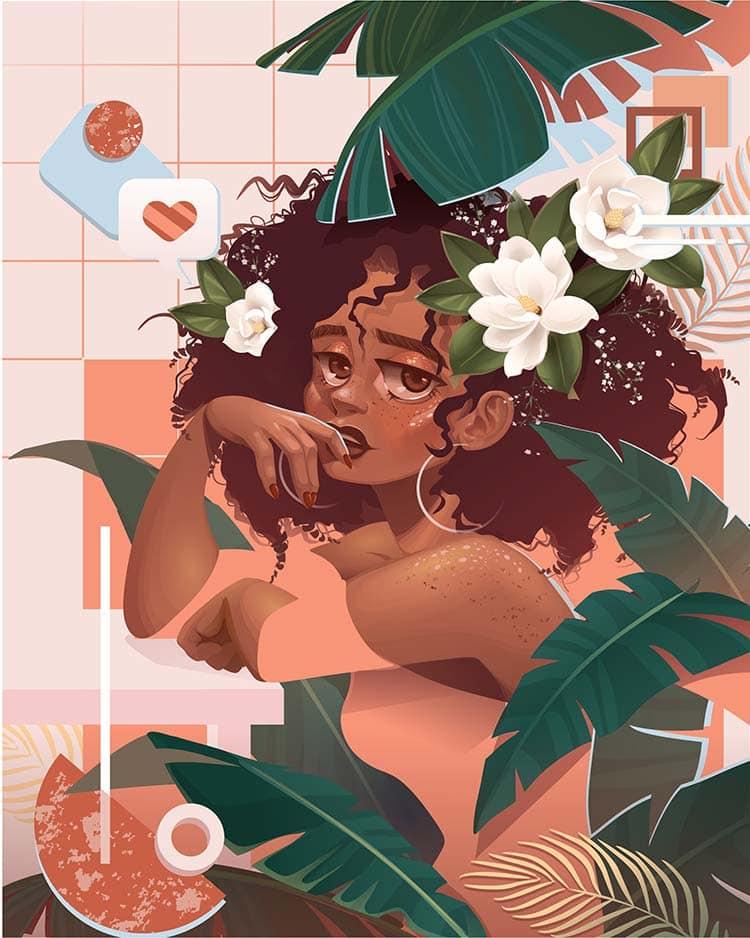
– What are some beginner-friendly digital illustration techniques to enhance creativity?
In the digital age, artists have a myriad of tools and techniques at their fingertips. If you’re looking to enhance your digital illustration skills, you’ve come to the right place! In this article, we’ll explore seven innovative and enjoyable digital illustration techniques that will not only boost your creativity but also elevate your art to new heights. whether you’re a beginner or an experienced illustrator, these tips will inspire you to let your inventiveness soar.
1. Embrace Layering Techniques
Layering is a basic technique in digital illustration that allows artists to build intricate compositions without compromising their initial sketches. By working with layers, you can easily make adjustments, experiment with colors, and add details without affecting the entire artwork.
Benefits of Layering
- Flexible edits: Easily modify individual elements.
- Enhanced depth: Create a sense of dimensionality.
- Organization: Keep your artwork structured and manageable.
2. Experiment with Custom Brushes
One of the most exciting aspects of digital illustration is the ability to create and use custom brushes. Many software programs, such as Adobe Photoshop and Procreate, allow you to develop brushes that mimic conventional media or create unique textures.
Practical Tips for Custom Brushes
- Start with basic shapes: Experiment with circles or lines to create textures.
- Adjust dynamics: Play with opacity and flow settings for more natural strokes.
- Save frequently: As you adjust, keep saving different versions of your brushes.
3. Play with Colors and Gradients
Color can make or break your artwork. Experimenting with various color palettes and gradients can significantly affect the mood and impact of your illustrations. Digital tools provide the perfect possibility to blend colors seamlessly.
Case Study: Color usage in Art
Consider the work of ArtStation artists. Many utilize bold, unexpected color combinations to create striking visuals that catch the viewer’s eye. By studying these accomplished color applications, you can gain insights into effective color theory.
4. Make Use of Textures
Adding texture to your digital illustrations can create a more tactile feel. Textures can help break the flatness often associated with digital art. You can achieve this through various methods, including overlays and brushes.
How to Add Textures
- Use texture overlays: Find high-res texture images and layer them over your artwork.
- overlay with blending modes: Experiment with different blending modes to see what works best.
- Create realistic effects: Use textures to mimic materials like wood, cloth, or skin.
5. Incorporate Vector Art Techniques
Vector art can offer a distinct, clean style in digital illustrations. Learning vector techniques can be beneficial, especially if you aim for a minimalistic or graphic design approach.
Key Features of Vector Art
| Feature | Description |
|---|---|
| Scalability | resize without losing quality. |
| Editability | Individual elements are easily adjustable. |
| File Size | Lighter file size compared to raster images. |
6. Practice Digital Collage Making
Digital collage is a technique that combines various elements,images,or textures to create a compelling piece of art. This method encourages creativity and experimentation, making it a fun way to express your artistic vision.
Steps to Create a Digital Collage
- Gather your materials: Collect images and textures that resonate with your theme.
- Use layers: Organize your elements into separate layers for easy editing.
- Experiment with placements: Adjust the positioning until you find the perfect arrangement.
7. utilize Animation techniques
Incorporating simple animation into your digital illustrations can bring them to life.Tools like Adobe After Effects or Procreate’s animation features allow artists to experiment with movement, creating engaging content for social media and beyond.
Tips for Animation in Digital Art
- start small: Begin with simple, looped animations before tackling complex projects.
- Focus on motion: observe how natural movements can enhance the flow of your artwork.
- Share your work: Use platforms like Instagram or TikTok to showcase your animated illustrations.
Conclusion
Unleashing your creativity through digital illustration is an exciting journey filled with possibilities. By adopting these seven fun and effective techniques-layering, custom brushes, color experimentation, textures, vector art, collages, and animation-you can take your artistic skills to an entirely new level.Remember, the key is to keep experimenting and have fun while creating!
So, grab your digital tools and start experimenting today! Your next masterpiece is just a stroke away!
Related Posts
-

What are some beginner-friendly digital illustration techniques to try? In today’s digital world, creativity knows…
-

- How can I choose the right digital illustration tools for my art style? If…
-

<img class="vimage_class" src="https://sirgo.com/wp-content/uploads/2025/02/ration.jpg" alt="digital illustration techniques">- What tools and software are best for digital illustration?…