– What tools do I need to start digital printmaking as an artist?
Are you ready to elevate your artistic skills with innovative digital printmaking techniques? In today’s digital world, the blend of technology and creativity offers artists new avenues for expression. Whether you’re a seasoned artist or just starting, this guide will explore delightful digital printmaking techniques that can enhance your outputs. Let’s dive into the vibrant world of digital printmaking!
What is Digital Printmaking?
Digital printmaking refers to the process of creating original artwork using digital technology. Unlike conventional printmaking methods, which frequently enough involve tactile processes, digital printmaking utilizes computer software and printing technology to produce high-quality images. it opens up a realm of possibilities for both traditional and contemporary artists alike.
Benefits of Digital Printmaking
- Accessibility: Digital printmaking makes art creation more accessible to artists worldwide.
- Cost-Effective: Once you have the necessary software and hardware, digital printmaking can be less expensive than conventional methods.
- Endless Possibilities: The variety of styles and techniques available allows for an unmatched creative freedom.
- Easy Reproduction: you can easily make multiple copies of your artwork, maintaining quality each time.
Essential Tools for Digital Printmaking
To get started with digital printmaking,you’ll need to equip yourself with the right tools. Here’s a breakdown of essential tools:
| Tool | Description |
|---|---|
| Computer | A powerful computer with good graphics capabilities. |
| Graphics Software | Software like Adobe Photoshop, Illustrator, or CorelDRAW. |
| Printer | A high-quality inkjet or laser printer for producing prints. |
| Scanner | For digitizing your traditional artwork. |
| Graphics Tablet | A tool for hand-drawn digital art that offers enhanced control. |
Delightful Digital Printmaking Techniques
1. Vector Art Creation
Vector art is created using mathematical equations, allowing you to scale your artwork infinitely without losing quality. This technique is especially effective for logo design and illustrations. Programs like Adobe Illustrator specialize in vector-based design.
2. Digital Collage
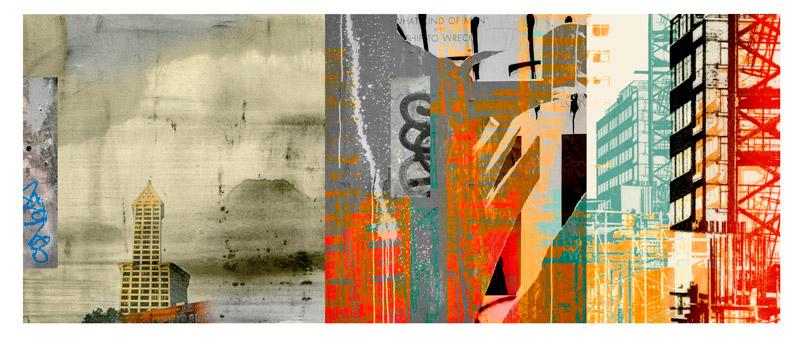
combine various digital elements to create an eye-catching collage. Using software like Photoshop,you can blend photos,textures,and graphics to produce unique compositions. Digital collages allow you to layer and manipulate images without the limitations of physical materials.
3. Photo Manipulation
Photo manipulation offers a way to create stunning visuals by altering and enhancing photos. You can seamlessly combine multiple images, apply filters, and experiment with colors to produce surreal landscapes or abstract designs.
4. giclée Printing
This professional printing process creates high-quality artworks using inkjet technology. Giclée prints retain the vibrant colors and fine details of original artworks, making them a preferred choice for reproducing paintings and photographs.
5. 3D Printmaking
With advancements in technology, 3D printing has become a captivating avenue for digital artists. You can design three-dimensional artworks or sculptures using 3D modeling software. 3D printers can than bring your digital creations into the physical world, blurring the lines between digital and traditional art.
Practical Tips for Aspiring Digital Printmakers
- Experiment Frequently: Don’t hesitate to try new techniques and tools. Experimentation can lead to unique styles.
- Stay Inspired: Follow othre artists, engage in online communities, and attend exhibitions to keep your creativity flowing.
- Master Your Software: Invest ample time learning the software tools you plan to use. Each program has unique features that can enhance your printmaking projects.
- Save Your Work: Always keep backup copies of your digital artwork, both on your computer and in the cloud.
Case Study: A journey into Digital Printmaking
Let’s take a look at the experience of artist Jane Doe. Jane began her journey in traditional painting but felt limited by the physical supplies and the need for a studio. Transitioning to digital printmaking opened new doors for her creativity.Now, she combines her painting skills with digital techniques, creating giclée prints of her works that have gained popularity in online marketplaces. Jane’s story is an inspiration to all artists considering making the shift to digital printmaking.
Conclusion
Digital printmaking offers a remarkable means of expression that every artist should consider. By embracing these delightful techniques, you can unleash your creativity and expand your artistic boundaries. If you’re an artist looking for innovative ways to express your creativity, the digital realm is waiting for you. Start exploring these digital printmaking techniques today and watch your artistic vision come to life!
Related Posts
-

- How can digital printmaking enhance creative expression? In the vibrant world of art,digital printmaking…
-

- What are some innovative digital printmaking techniques for beginners? Unleashing Creativity: A Joyful Guide…
-

<img class="vimage_class" src="https://sirgo.com/wp-content/uploads/2025/03/ration.jpgd0ae.jpg" alt="digital illustration techniques">How can I improve my creativity as a digital artist?…