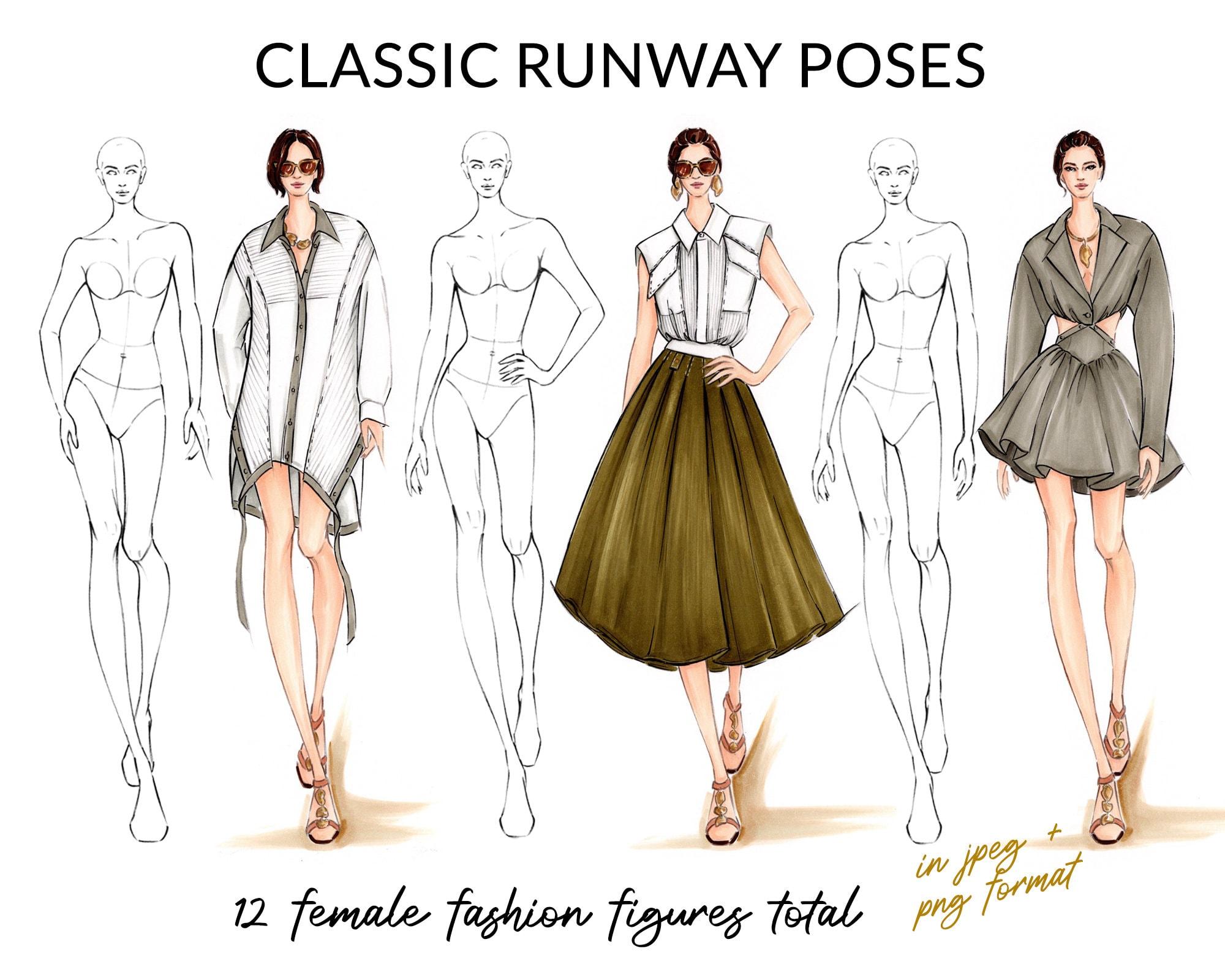
What techniques can beginners use to improve their fashion illustration skills?
Fashion illustration is a remarkable intersection of creativity, design, and art that captures the essence of style and beauty. This vibrant form of artistic expression has evolved from the pages of haute couture sketchbooks to become a prominent medium in contemporary visual culture. In this article, we will delve into various aspects of fashion illustration art while also providing practical tips, benefits, and real-world inspirations.
The Evolution of Fashion illustration
From the early Renaissance when artists like Leonardo da Vinci brought garments to life with sketches, to the glamorous era of Vogue, fashion illustration has played a crucial role in showcasing the style trends of its time. HereS a brief timeline of its evolution:
| Year | Event |
|---|---|
| 15th Century | Fashion sketches begin to appear in Europe with notable artists. |
| 1920s | The golden age of fashion illustration during the Art Deco movement. |
| 1960s | Illustration gains popularity with magazines like Vogue and Harper’s Bazaar. |
| 21st Century | The rise of digital illustration making fashion more accessible. |
Why Fashion Illustration Matters
Fashion illustration serves multiple purposes in the fashion industry:
- Concept Visualization: Illustrators bring designs to life before garments are crafted, helping designers visualize their ideas.
- storytelling: Each illustration tells a story, becoming an essential part of marketing campaigns and brand identity.
- Artistic Expression: Illustrators infuse personal styles and artistic techniques that resonate with audiences on an emotional level.
Key Techniques in fashion Illustration Art
The techniques employed by fashion illustrators are numerous and varied. Here are some of the moast widely used methods:
1. Traditional Techniques
- Pencil Sketching: Many fashion designers start with pencil sketches to outline their ideas.
- Watercolor Painting: Provides fluidity and softness,ideal for capturing textiles.
- Ink and Marker: Used for bold lines and vibrant colors, creating striking imagery.
2.Digital Techniques
- Software Tools: Programs like Adobe Illustrator and Procreate enable artists to create polished illustrations.
- 3D Modeling: offers a modern approach to viewing designs from multiple angles.
Benefits of Fashion Illustration
Engaging with fashion illustration can provide numerous benefits for artists, designers, and fashion enthusiasts alike:
- Enhanced Creativity: Experimenting with styles and techniques can inspire fresh ideas.
- visual Interaction: It serves as a universal language translating fashion concepts easily.
- Career Opportunities: Proficient illustrators can find diverse career paths in fashion design, advertising, and art.
Case Studies: Iconic Fashion Illustrators
Several illustrators have made a meaningful impact on fashion and continue to inspire many.
1. david Downton
Known for his elegant and refined style, David Downton’s illustrations have graced the covers of major fashion magazines. His work is a perfect blend of sophistication and modernity.
2. Megan Hess
Megan Hess is celebrated for her whimsical and colorful illustrations. With a distinct style, she has worked with luxury brands and her books are cherished by fans around the world.
Practical Tips for Aspiring Fashion Illustrators
If you’re passionate about entering the world of fashion illustration, consider the following tips to enhance your skills:
- Study Anatomy: understanding human anatomy can definitely help in creating realistic representations of the figures.
- Gather Inspiration: Regularly look at fashion magazines, art galleries, and fashion shows for inspiration.
- Practise Regularly: Consistency is key in honing your artistic skills and developing your unique style.
First-Hand Experience: My Journey into Fashion Illustration
Embarking on my journey into the world of fashion illustration started with a simple doodle during a lecture. As I explored various techniques, I found my voice in watercolors, capturing the delicate flow of fabrics. Experimenting with styles and participating in online courses helped enhance my skills, and soon I was creating illustrations that received recognition in local fashion events.
Networking with other artists and obtaining feedback from industry professionals has only fueled my passion for this vibrant art form!
Conclusion
The world of fashion illustration art is a vibrant tapestry woven with creativity,artistry,and personal expression. It serves as a bridge connecting designers, brands, and art lovers alike. By exploring the techniques and insights shared in this article, aspiring artists can unleash their creativity and carve a niche for themselves in this evolving field. Whether you’re looking to become a fashion illustrator or simply appreciate the beauty of this art, the journey is filled with endless inspiration and opportunity.
Related Posts
-

- What are the key techniques used in fashion illustration art? Unveiling the Vibrant World…
-

What techniques can I use to improve my fashion illustration skills? Fashion illustration art is…
-

How can fashion illustration enhance personal style and expression? Unleashing Creativity: The Joy of Fashion…