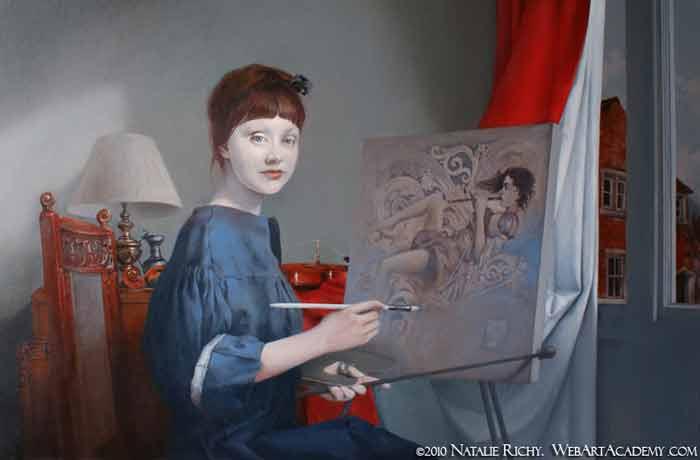
– What are the most popular traditional oil painting techniques for beginners?
unlock Your Creativity: Explore 10 Timeless Traditional Oil Painting Techniques
Are you an aspiring artist looking to develop your skills with oil painting? Or perhaps you are a seasoned painter wanting to revisit traditional techniques to enhance your artwork? In this guide, we will explore 10 breathtaking oil painting techniques that have stood the test of time. Get ready to unlock your creativity as we dive into the world of oil painting!
Why Choose Oil Painting?
Before we delve into the techniques, let’s briefly explore why oil painting is a fantastic choice for artists:
- Vibrant Colors: Oil paints offer rich and vibrant colors that can create stunning visual effects.
- Blendability: Oil paints can be blended and layered, allowing for depth and dimension in your artwork.
- Slow Drying Time: The slow drying time of oil paints lets artists work at their own pace and make adjustments as needed.
1. Glazing Technique
The glazing technique involves applying thin, transparent layers of paint on top of a dry layer. This allows for luminosity and creates depth in color. To use this technique effectively:
- Start with a dry base layer.
- Mix your oil paint with a glazing medium.
- Apply in thin layers, allowing each to dry before adding another.
Benefits of Glazing
- enhances color vibrancy.
- Adds depth to shadows and highlights.
2. Impasto Technique
Impasto is a technique where thick layers of paint are applied, frequently enough using a palette knife. This gives your painting a three-dimensional effect. Key tips include:
- Use a heavy-body oil paint.
- Apply with a palette knife or a stiff brush.
First-Hand Experience
Many artists find that using the impasto method brings a tactile quality to their work, making it feel alive and dynamic.
3. Scumbling
Scumbling is a technique where a thin, opaque layer of lighter color is applied over a darker layer, allowing some of the underneath color to show through. Here’s how to do it:
- Choose a dry brush for application.
- Use a lighter paint color.
4. Grisaille
This technique is essentially painting in shades of gray to create the illusion of solidity and volume. Once finished, you can glaze over it in color.
5. Chiaroscuro
Chiaroscuro is the technique of using strong contrasts between light and dark to give the illusion of volume in modeling three-dimensional objects. To apply chiaroscuro:
- Identify the light source in your composition.
- Use dark paint for shadows and light paint for highlights.
6. Underpainting
Underpainting is the process of laying down a monochromatic base layer before adding color. This helps in defining shapes and values early in the painting process.
7. Wet-on-Wet Technique
Also known as alla prima, this technique involves applying wet paint onto wet paint, allowing for soft edges and blending. It’s perfect for capturing fleeting moments in nature.
Practical Tips for Wet-on-Wet
- Work quickly to ensure the layers stay wet.
- Use a large brush for broader strokes and a smaller one for details.
8. sfumato
Sfumato is a technique that uses soft transitions between colors and tones, giving a smoky effect. It’s effective in portraits and landscapes for creating depth.
9. Pointillism
This technique involves applying small dots of color that blend at a distance, creating a unique visual effect. Great for creating texture, follow these steps:
- Use a fine brush for precision.
- Layer colors gradually, focusing on contrast and harmony.
10. Monochromatic Painting
Monochromatic painting uses variations of a single color to create depth and interest. This technique is great for beginners to understand tone and composition effectively.
Case Study: Famous Works Utilizing Traditional Techniques
| Artist | Technique Utilized | Notable Work |
|---|---|---|
| Leonardo da Vinci | Sfumato | Mona Lisa |
| Vincent van Gogh | Impasto | Starry Night |
| Jean-Auguste-Dominique Ingres | Chiaroscuro | La Grande Odalisque |
benefits of Learning Traditional Oil Painting Techniques
Incorporating these techniques into your practice can:
- Enhance your understanding of color theory.
- Improve your ability to depict light and shadow effectively.
- Empower you to express your artistic vision uniquely and masterfully.
Conclusion
Embarking on your artistic journey with traditional oil painting techniques can significantly boost your creativity and technical skills.by exploring these 10 timeless oil painting techniques, you can unlock new avenues of expression and find joy in your artwork. So grab your brushes, experiment, and watch your artistry flourish!
Related Posts
-

- What materials do I need to start traditional oil painting? Have you ever felt…
-

- What materials do I need for traditional oil painting? Oil painting is a timeless…
-
- What are the essential materials needed for traditional oil painting techniques? Oil painting is…