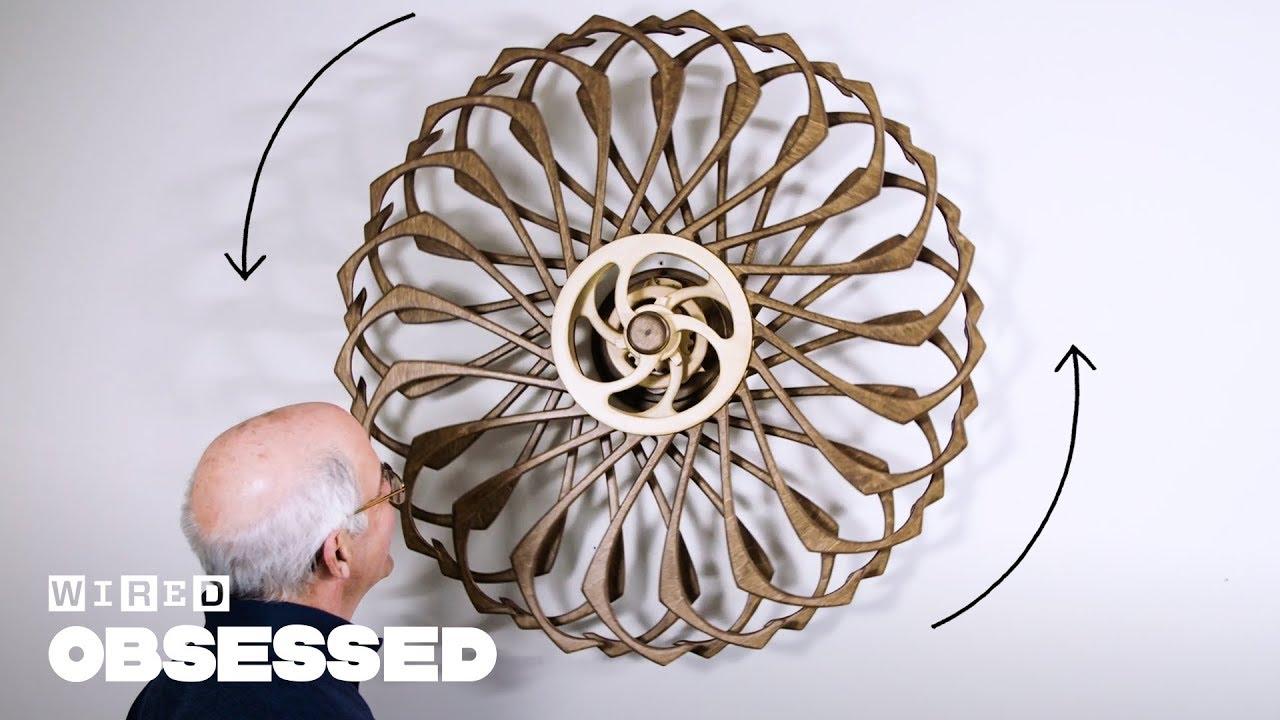
– How do kinetic sculptures work to create dynamic visual experiences?
Kinetic sculptures have become a vibrant trend in the world of art, captivating audiences with their dynamic movement and engaging presence. These installations go beyond simple design; they breathe life into spaces, creating an experience that resonates deeply with viewers. In this article, we will explore the enthralling world of kinetic sculptures, examining their history, benefits, and some stunning examples that exemplify their ability to inspire joy and creativity.
The Interesting History of Kinetic Sculpture
The concept of kinetic art dates back to the early 20th century when artists began searching for new ways to incorporate movement into their work. The term “kinetic” comes from the Greek word “kinesis,” meaning movement. The early pioneers of kinetic art, such as Alexander calder, used motors or wind to create moving sculptures that blurred the lines between art and design.
Key milestones in Kinetic Art History
- 1919: Marcel Duchamp introduces the “Bicycle Wheel,” one of the first kinetic artworks.
- 1930s: Alexander Calder invents the mobile,incorporating movement for the first time.
- 1960s: The emergence of computer-controlled kinetic sculptures introduces technology into the art realm.
- 21st Century: Modern kinetic sculptures blend advanced technology, such as robotics and interactive devices, with traditional artistic practices.
What Makes Kinetic Sculptures Unique?
Kinetic sculptures are not just art pieces; they are experiences that evoke emotions and provoke thoughts. Here are some reasons why kinetic sculptures stand out:
- Interactivity: Many kinetic sculptures encourage viewer interaction, allowing individuals to influence the movement of the artwork.
- Dynamic Aesthetics: Kinetic sculptures change their appearance with movement, providing an ever-changing visual experience.
- Technological integration: Advanced kinetic sculptures utilize technology,such as sensors and motors,adding a modern twist to traditional art forms.
Benefits of Kinetic Sculptures
Kinetic sculptures offer numerous benefits for both the artist and the audience.Here are a few key advantages:
- Promotes Creativity: Their unique design often sparks creativity in viewers, inspiring them to think outside the box.
- Enhances Public Spaces: Kinetic art installations can enliven barren environments, turning them into engaging community spaces.
- Encourages Engagement: The dynamic nature of these sculptures invites viewers to linger,interact,and forge connections with both the art and each other.
Case Studies: Stunning Kinetic Sculptures Around the World
Across the globe, artists have produced remarkable kinetic sculptures that showcase the diversity and power of this art form. here are three inspiring examples:
| Title | Artist | Location | Highlights |
|---|---|---|---|
| Sky Flakes | Yayoi Kusama | tokyo,Japan | LED-illuminated dots that pulse and change color. |
| Wind Forest | Jesse Schlesinger | New York,USA | Interactive sculptures that sway according to wind direction. |
| Infinite Bridge | Ralph Sorenson | Copenhagen, Denmark | A spiral bridge that reflects the changing seasons. |
First-Hand Experiences with Kinetic Installations
Experiencing kinetic sculptures in person is truly exhilarating. one of the most memorable experiences can be found in various art festivals around the globe. Visitors frequently enough share the joy of watching these sculptures move, their awe reflected on their faces as they engage with the installations.
For example, at the annual burning Man Festival in Nevada, kinetic sculptures like The Serpent Mother create an immersive experience that combines art, community, and interactivity.Visitors are often invited to actively participate in the sculptures’ movements, making the overall experience unforgettable.
practical Tips for Experiencing Kinetic Art
If you are planning to explore kinetic sculpture installations,here are some practical tips to enhance your experience:
- take Your Time: Spend sufficient time at each installation to fully appreciate the movements and the nuances of the artwork.
- Engage: Don’t hesitate to interact with the sculptures, as many are designed for viewer participation.
- Document Your Experience: Capture photos or jot down your thoughts to reflect on the experience later.
- Visit Art Festivals: Look for local art festivals or public installations where kinetic sculptures are featured.
Conclusion
The joyful world of kinetic sculptures is a celebration of creativity, movement, and community engagement. These installations act as a bridge between the artist and the viewer, encouraging interaction and sparking inspiration. Whether you are an art enthusiast or a casual visitor, experiencing kinetic sculptures offers a dynamic way to engage with art. So next time you find yourself near a kinetic sculpture, take a moment to interact, observe, and be inspired by the whirling wonders of this unique art form.
Related Posts
-

How can kinetic sculptures enhance the experience of art in public spaces? Kinetic sculptures have…
-

What is kinetic sculpture and how does it work? Unleashing Motion: Discover the Joy of…
-

How do public sculptures enhance urban landscapes and communities? Art is everywhere, and one of…